Understanding Structural Steel Welding
Basics of Structural Steel and its Applications
Structural steel is a category of steel used for construction purposes to support loads and provide structural integrity. It is typically formed into different shapes such as beams, columns, and plates, and is used in a wide variety of applications including buildings, bridges, and other construction projects. The design of structural steel is guided by its strength, ductility, and versatility, making it an essential component of modern infrastructure. Key applications of structural steel include:
- Commercial and residential buildings
- Bridges and overpasses
- Industrial facilities
- Offshore constructions
- Transportation equipment
These applications emphasize the critical requirement for accurate and robust welding techniques in the fabrication and assembly processes, ensuring each connection can withstand the forces it encounters throughout its lifecycle.
The Importance of Welding in Construction
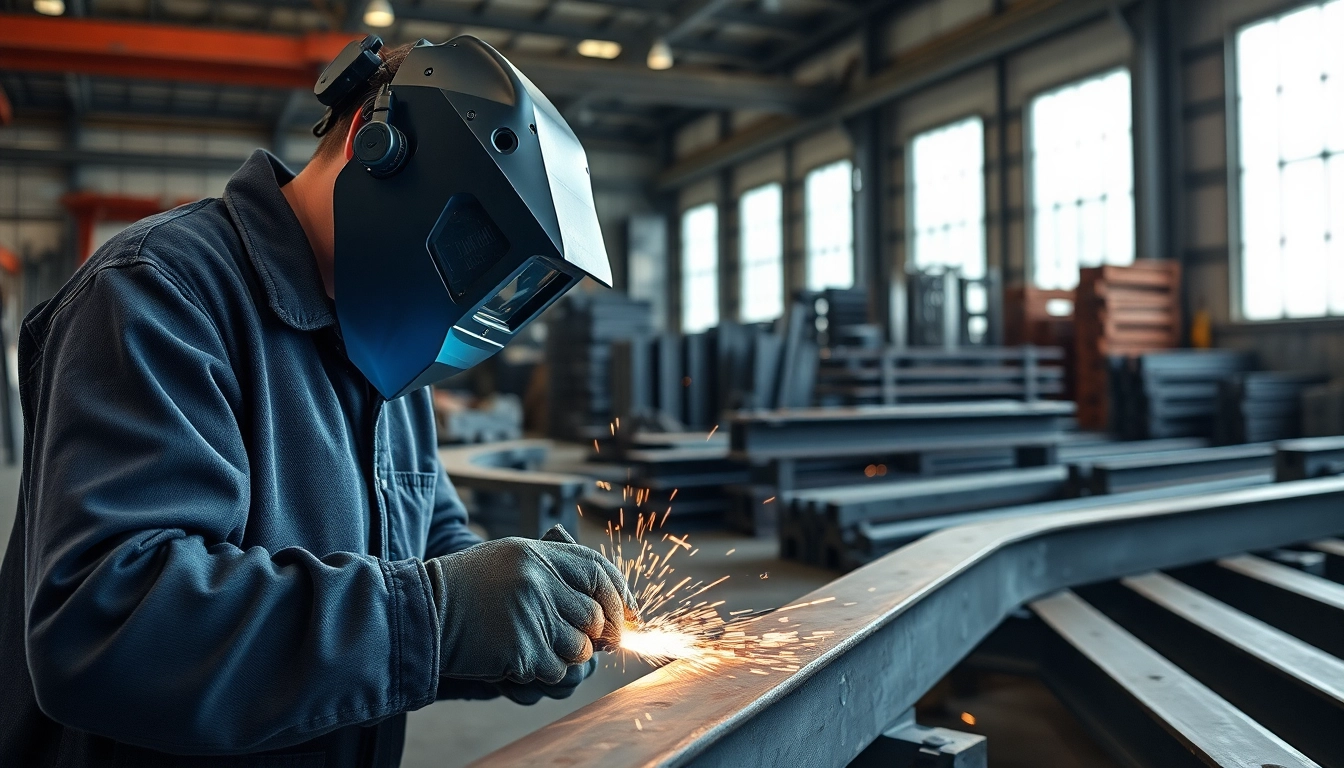
Welding serves as the backbone of structural steel assembly, joining separate pieces to create a cohesive unit capable of bearing substantial loads. The welding process impacts the overall performance and durability of the final structure. Structural integrity hinges not only on the quality of the steel used but also on the precision of every weld. Quality welding reduces the likelihood of structural failures, ensuring safety and compliance with building codes and regulations.
Moreover, the structural steel welding process allows for flexibility in design, as it enables the creation of complex shapes and configurations that would be impractical with other connection methods, such as bolting. In summary, strong and reliable welding directly correlates with long-term structural performance.
Types of Welding Methods Used in Structural Steel
Several welding methods are employed in the structural steel industry, each with its unique characteristics, advantages, and specific applications:
- Shielded Metal Arc Welding (SMAW): Known as stick welding, SMAW is a versatile method that uses a consumable electrode coated in flux to protect the weld pool. This method is favored for outdoor use and in windy conditions due to its simplicity.
- Gas Metal Arc Welding (GMAW): Also known as MIG (Metal Inert Gas) welding, GMAW is widely used for its speed and efficiency. It employs a continuous feed of wire and uses an inert gas as a shielding agent to prevent contamination.
- Gas Tungsten Arc Welding (GTAW): Known as TIG (Tungsten Inert Gas) welding, GTAW is ideal for achieving high-quality, precision welds, particularly on thin materials. This method requires a filler metal and does not involve a flux.
- Submerged Arc Welding (SAW): This process is automated and well-suited for heavy steel sections. The arc is submerged under a blanket of granular flux that protects the molten weld pool, leading to minimal spatter and deep penetration.
- Flux-Cored Arc Welding (FCAW): Similar to GMAW, FCAW uses a continuous tubular wire filled with flux. It can be used with or without shielding gas and is favored for its ability to weld thicker materials quickly.
Essential Tools and Equipment for Steel Welding
Key Tools Every Welder Should Own
To ensure successful and efficient structural steel welding, having the right tools is crucial. Here are essential tools that every welder should possess:
- Welding Machine: The heart of any welding operation, the welding machine converts electrical energy into heat that melts the base material and filler metal.
- Welding Electrodes and Filler Metals: Depending on the type of welding being done, different types of electrodes and filler metals are required to achieve the desired joint strength and quality.
- Protective Gear: Includes gloves, welding helmets, and protective clothing that shield the welder from burns, UV radiation, and sparks.
- Grinder: A grinder is necessary for cleaning and preparing the base metals, as well as smoothing out welds after they have cooled.
- Clamps and Fixtures: Used to hold materials in place during the welding process, ensuring accuracy and stability.
Safety Equipment for Structural Steel Welding
Safety should be of utmost priority in any welding operation given the inherent risks involved. Essential safety equipment includes:
- Welding Helmet: A helmet with a proper filter shade protects the welder’s eyes from the intense light emitted during the welding process.
- Welding Gloves: Heat-resistant gloves protect the hands from burns and abrasions, allowing for better control of tools and materials.
- Respirators or Masks: To protect against harmful fumes and gases produced during welding.
- Fire Extinguishers: Easily accessible fire extinguishers are vital for quickly handling any fire emergencies that may arise.
- Protective Clothing: Flame-resistant clothing protects the body from sparks and radiant heat, minimizing exposure to burns.
How to Maintain Your Welding Equipment
Proper maintenance of welding equipment ensures longevity and optimal performance. Regular maintenance procedures include:
- Regular Cleaning: Dirt and contaminants can affect the performance of welding equipment. Regularly clean welding machines, tips, and cables to ensure they are free from dirt and debris.
- Routine Checks: Inspect fuel lines, hoses, and electrical connections regularly for wear and tear. Replace worn or damaged parts immediately to avoid malfunctions during operation.
- Calibrate Equipment: Ensure that welding machines are calibrated according to the manufacturer’s specifications to maintain accuracy.
- Proper Storage: When not in use, store welding tools and equipment in a dry, secure place to protect them from environmental damage.
Techniques for Successful Structural Steel Welding
Preparing Steel Surfaces for Welding
Effective welding begins with proper preparation of the steel surfaces. This involves cleaning and ensuring that surfaces are fit for welding. Key steps include:
- Cleaning: Remove rust, paint, oils, and other contaminants using grinders, wire brushes, or chemical cleaners to ensure good weld quality.
- Fit-Up: Ensure that the pieces to be welded fit together correctly. Gaps can lead to weak welds, so adjustment may be necessary before welding.
- Edge Preparation: For thicker materials, bevel edges can improve weld penetration and strength. Proper bevel angles can enhance the quality of the weld joint.
Common Welding Techniques Explained
A good understanding of various welding techniques can lead to improved outcomes. Here are some commonly used techniques:
- Continuous Welding: Involves a constant rate of speed and feed for the weld wire, ensuring a consistent joint quality.
- Weaving Techniques: Used in welding joints, weaving helps in spreading the heat more evenly across the joint, which aids in penetration.
- Stringer Bead Technique: In this method, the welder applies a straight line of molten metal to the joint. This is often used for thin materials.
- Backhand vs. Forehand Welding: Backhand (or drag) and forehand (or push) techniques affect penetration and appearance, with different applications depending on the joint configuration.
Troubleshooting Common Welding Issues
Welding is not without its challenges. Some common issues include porosity, undercutting, and weld spatter. Let’s examine these problems and their solutions:
- Porosity: Caused by trapped gas in the weld, porosity can be minimized by ensuring clean surfaces and maintaining proper shielding gas coverage.
- Undercut: A groove that forms at the weld's edge can weaken the joint. To avoid this, adjust travel speed and amperage settings to prevent excessive melting.
- Weld Spatter: Excess spatter can lead to cleaning issues. To reduce spatter, adjust the voltage and travel speed, and choose the right electrode.
Best Practices for Efficiency and Quality
Strategies for Reducing Welding Defects
Maintaining high-quality welds while minimizing defects is essential for structural integrity. Some strategies include:
- Training and Certification: Ensuring that welders are properly trained and certified can significantly improve weld quality.
- Consistent Monitoring: Continuously monitoring the welding process and making real-time adjustments can help reduce defects.
- Implementing Process Standards: Establishing and adhering to standardized welding procedures can minimize variability in weld quality.
Optimizing Workflow in Steel Fabrication
Efficient workflow is essential in steel fabrication to maintain productivity. Techniques to optimize workflow include:
- Lean Manufacturing: Implementing lean principles can help identify and eliminate waste, saving time and resources.
- Efficient Layout: Designing the workshop layout for maximum efficiency helps ensure that tools and equipment are easily accessible, reducing wasted time.
- Use of Technology: Integrating software and automation in workflow can streamline processes, allowing for enhanced productivity and communication.
Implementing Quality Control in Welding Projects
Quality control is vital in ensuring that welding meets required standards. Effective practices include:
- Regular Inspections: Frequent inspections during the welding process can help catch defects early and correct them promptly.
- Testing: Non-destructive testing methods such as ultrasonic or radiographic testing can be used to assess weld quality without damaging components.
- Documentation: Keeping detailed records of welding procedures and inspections helps track quality over time and provides a reference for future projects.
Innovations and Trends in Structural Steel Welding
Advancements in Welding Technology
The welding industry has seen significant technological advancements in recent years, contributing to improved efficiency and quality. Key advancements include:
- Laser Welding: This technique offers precision and speed, enabling high-quality welds even on thinner materials.
- Automated Welding Systems: Robotics and automation are being widely adopted to increase precision, speed, and repeatability in welding operations.
- Advanced Welding Consumables: New filler metals and electrodes are being developed to enhance weld quality and reduce defects.
The Role of Automation in Metal Fabrication
Automation is transforming the welding landscape, leading to improvements in both productivity and quality control. Notable benefits of automation include:
- Increased Throughput: Automated processes can operate continuously, significantly increasing production capabilities.
- Higher Consistency: Automation reduces human error, leading to more uniform and predictable welds.
- Lower Labor Costs: While initial investments in automation may be high, long-term labor savings can be significant.
Future Trends in the Structural Steel Industry
Looking ahead, the structural steel welding sector is expected to continue evolving with trends such as:
- Sustainability: A growing focus on environmentally friendly practices is prompting the design of eco-friendly welding processes and materials.
- Integrating 3D Printing: The introduction of 3D printing technology is opening new avenues for innovation in steel fabrication and welding practices.
- Smart Welding Solutions: The incorporation of IoT (Internet of Things) in welding equipment allows for real-time data collection and analysis to improve process efficiencies.