The Benefits of Attending an Electrician Trade School in Colorado
With the rapid evolution of technology and the essential need for skilled tradespeople in the workforce, pursuing a career as an electrician offers considerable opportunities. One profound pathway to begin this journey is by attending an electrician trade school in Colorado. Enrolling in a dedicated trade school not only equips students with the necessary technical skills but also provides invaluable industry insights, networking opportunities, and can pave the way to long-term career success.
High Demand for Electricians
The demand for electricians is on a steady rise. With an increase in construction projects, burgeoning renewable energy initiatives, and the ongoing need for electrical maintenance and upgrades in residential and commercial settings, job security in this field is robust. According to the U.S. Bureau of Labor Statistics, the employment of electricians is projected to grow by 8% from 2019 to 2029, which is significantly faster than the average for other professions. This growth highlights the increasing need for skilled electricians who can meet the demands of new technologies and systems.
Hands-On Learning Experience
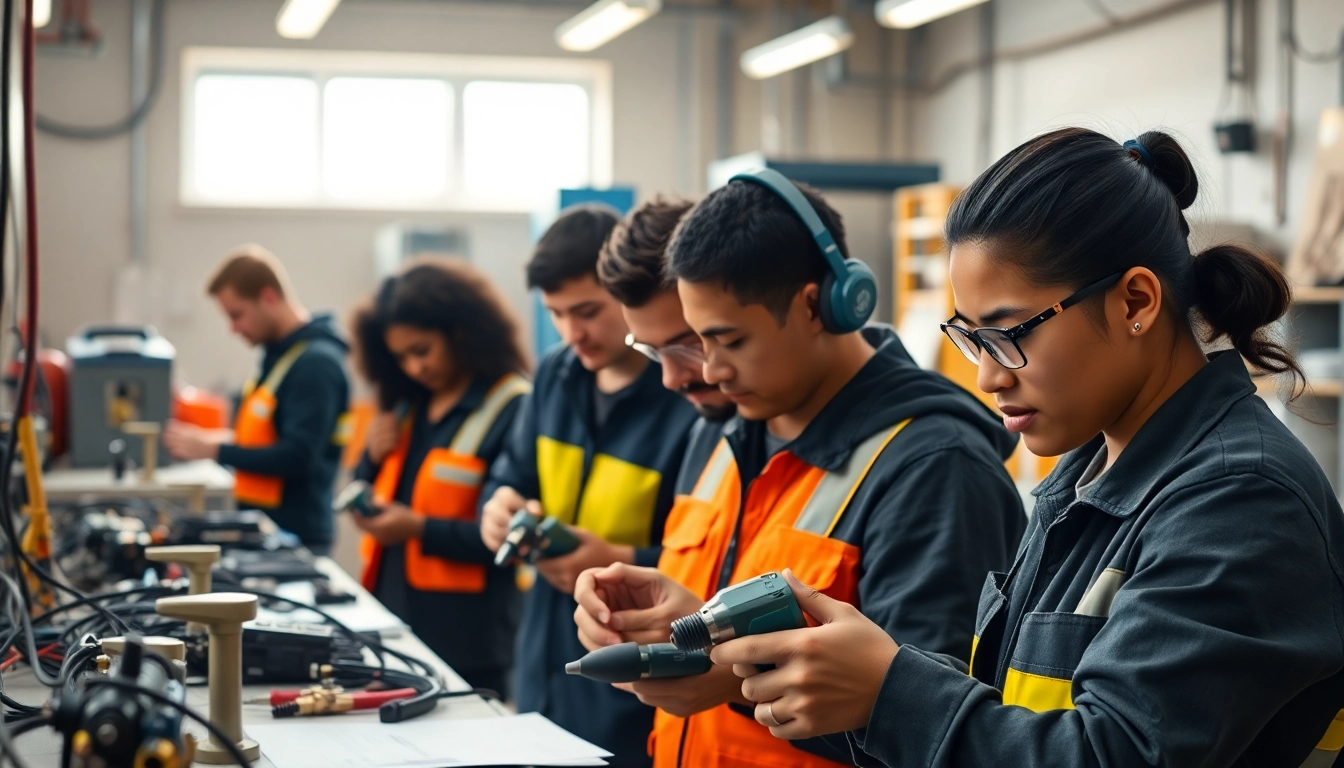
One of the most significant advantages of attending an electrician trade school is the emphasis on a hands-on learning experience. Unlike traditional academic paths that may prioritize theoretical knowledge, trade schools provide practical training in real-world settings. Students engage in lab work and simulations, allowing them to apply their learning directly. This practical experience not only enhances understanding but also increases confidence when entering the workforce.
Flexibility in Course Offerings
Electrician trade schools in Colorado offer flexible course structures, accommodating various students' needs. Many institutions provide part-time programs, evening classes, and online coursework, enabling working professionals or those with family commitments to pursue their education without sacrificing their current obligations. This flexibility is instrumental in helping students achieve their educational goals while balancing other aspects of their lives.
Key Features of Colorado's Electrician Trade Schools
State-Certified Programs
One of the critical factors in selecting an electrician trade school is ensuring the institution provides state-certified programs. In Colorado, schools must meet specific standards set by the Colorado Department of Higher Education. Attending a state-accredited program guarantees that the curriculum is up to industry standards and that the education received will be recognized by employers throughout the state.
Industry-Experienced Instructors
A vital element in any trade school is the quality of the instructors. Colorado's electrician trade schools boast experienced educators who bring a wealth of knowledge from their careers in the field. These instructors not only teach theoretical concepts but also share real-life experiences and challenges faced in the industry, offering students a comprehensive understanding of the profession.
Modern Training Facilities
Investing in modern training facilities is another hallmark of top-tier electrician trade schools in Colorado. State-of-the-art labs and workshops equipped with the latest technologies allow students to familiarize themselves with current tools, wiring systems, and equipment used in today’s electrical landscape. These facilities provide a conducive environment for learning, encouraging exploration and innovation among students.
Understanding the Curriculum at Electrician Trade Schools
Core Electrical Concepts and Safety Practices
The curriculum at electrician trade schools typically includes comprehensive training on core electrical concepts, wiring, circuits, and safety practices. Safety is paramount in the electrical industry, and students are trained rigorously in safety protocols and regulations, such as those set forth by the National Electrical Code (NEC). Students learn to identify hazards and are taught to prioritize safety in all aspects of their work, reducing risks both on and off the job site.
Specialization Areas in Electrical Work
Another enriching component of electrician trade school is the opportunity to explore various specialization areas within the electrical field. Students may choose to focus on residential installations, commercial wiring, renewable energy systems, or industrial electrical systems, among others. Exploring these specialties allows students to identify their interests and tailor their educational paths to the areas they are most passionate about, thereby enhancing their employability upon graduation.
Externships and Practical Training Opportunities
Most electrician trade schools in Colorado facilitate externship programs, providing students with valuable practical training opportunities. During these externships, students work alongside experienced electricians in real-world settings, gaining firsthand knowledge of daily operations, troubleshooting, and problem-solving in the field. Such experiences are invaluable; they often lead to job offers upon graduation and serve as networking opportunities within the industry.
Financial Aid and Job Placement Services in Colorado
Tuition Costs and Financing Options
The cost of attending an electrician trade school can vary significantly based on the institution, program length, and the specific courses offered. Prospective students should be aware of their financing options. Many schools in Colorado provide financial aid packages, including federal grants, loans, and payment plans that help manage tuition costs more effectively. It’s essential for students to research these options thoroughly and consult financial aid advisors within the schools for guidance.
Scholarships for Aspiring Electricians
In addition to federal funding, there are numerous scholarships available specifically for those looking to enter the electrical trade. Organizations such as the Associated Builders and Contractors and the National Electrical Contractors Association often offer scholarships for students pursuing careers in electrical work. Researching and applying for these scholarships can significantly alleviate financial burdens and make education more accessible.
Job Placement Assistance for Graduates
Job placement assistance is a significant benefit provided by many electrician trade schools in Colorado. Graduates often receive support in resume writing, interview preparation, and job search strategies. Schools frequently have partnerships with local businesses and contractors, providing a strong network for employers seeking skilled electricians. This assistance is a critical resource for students transitioning from classroom learning to the job market.
How to Choose the Right Electrician Trade School for You
Researching School Accreditations
Given the importance of accreditation in ensuring quality education, thorough research on a school's accreditation status is vital. State-approved institutions will demonstrate that they adhere to specific educational standards, which can greatly influence the quality of education received and improve job prospects post-graduation. Be sure to verify that the school you are interested in is accredited by appropriate governing bodies.
Visiting Campuses and Talking to Alumni
Visiting potential schools and speaking with alumni can reveal a wealth of information about the quality of education, culture, and overall student experience. During campus visits, prospective students can assess the facilities, meet instructors, and ask current students about their experiences. Engaging with alumni can provide insight into job placement success rates and overall satisfaction with their education.
Evaluating Program Reviews and Outcomes
Finally, evaluating reviews and outcomes related to the programs offered is crucial. Potential students should seek out testimonials from past graduates to gauge their satisfaction with the education received, as well as their success in securing jobs after completion. Understanding program outcomes, such as graduation rates and job placement statistics, can provide valuable insights into the effectiveness of the school’s curriculum and support services.