
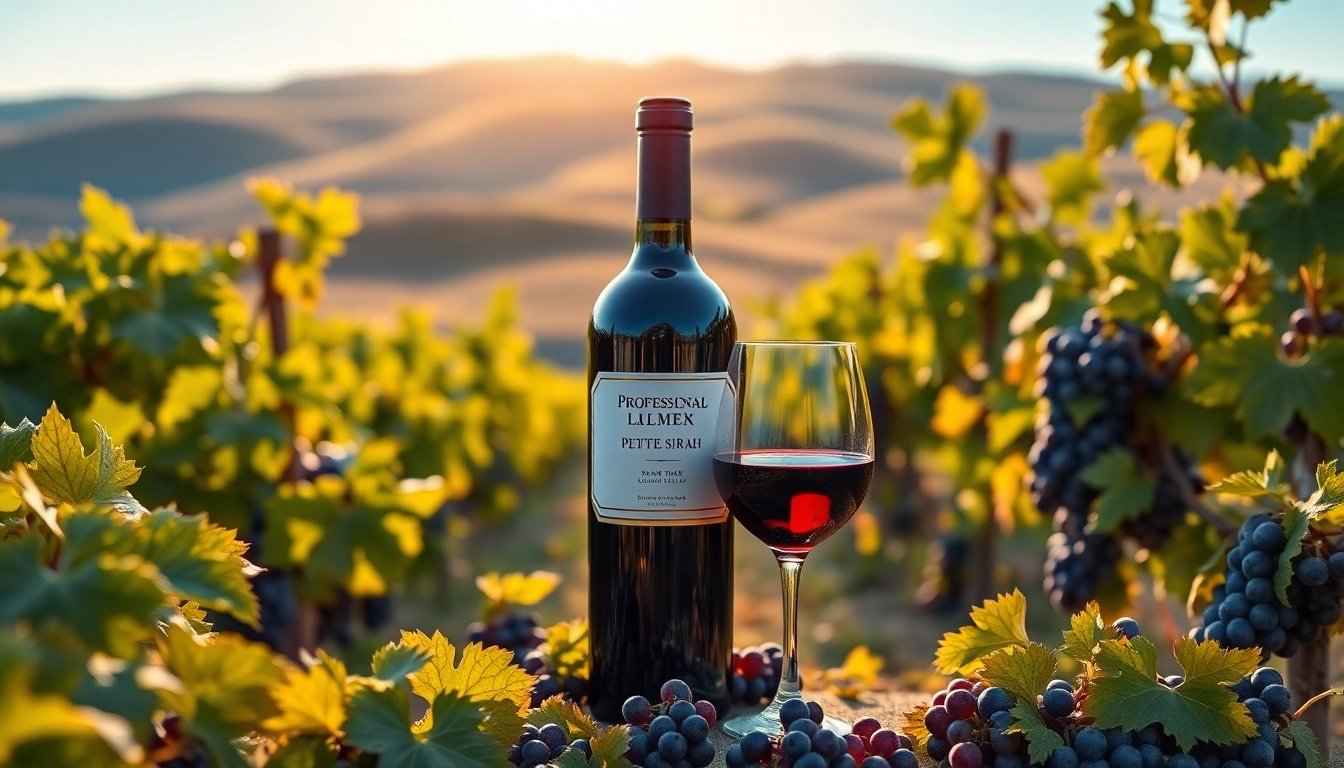
The Origins of Petite Sirah
Historical Background
Petite Sirah, also known as Durif, has its roots deeply embedded in viniculture history. This varietal was born out of the need to create a robust and flavorful wine. In the 1860s, a grape hybrid was developed by François Durif in France, combining Syrah and a lesser-known grape, Peloursin. Initially cultivated in the Rhône region, Petite Sirah gained scant notice compared to its Syrah counterpart.
As the decades passed, the grape began to spread beyond France, finding a new home in California during the late 19th century. Its adaptability to various climates and soils facilitated its growth, particularly in the golden state where it thrived in regions like Napa and Paso Robles. Today, petite sirah is celebrated for its vibrant character and is recognized as a staple among red wine varietals in the United States.
Geographic Distribution
Petite Sirah is primarily cultivated in California, which accounts for about 80% of the nation’s production of this varietal. However, its reach extends to several other countries. France still grows Petite Sirah, where the grape is more commonly known as Durif. Smaller vintages can be found in Australia, Israel, and South Africa, each adding their unique twist to the grape’s characteristic flavor profile.
Notable Growing Regions
California remains the epicenter of Petite Sirah cultivation, especially in regions like Napa Valley, where warm temperatures create ideal conditions for ripening. Paso Robles is another famed region, known for its calcareous soils that enhance the grape’s aromatic potential. Additionally, areas like Sonoma and Lake County have gained traction for producing intricate blends of Petite Sirah that showcase the grape’s full-bodied nature.
Key Characteristics of Petite Sirah
Aroma and Flavor Profile
The aroma of Petite Sirah is often complex and layered, exhibiting notes of dark fruits such as blackberry, plum, and black cherry. Its bouquet typically includes hints of spices, chocolate, and sometimes a whiff of pepper or herbs, contributing to a rich, satisfying experience. On the palate, Petite Sirah is known for its bold flavors and full-body, characterized by a mouth-coating texture that lingers. Its structure allows for the vibrant fruit flavors to shine through, often balanced by hints of oak from barrel aging.
Color and Tannin Structure
True to its name, Petite Sirah displays a deep, inky color—almost opaque—making it visually striking in a glass. This darkness is indicative of its high anthocyanin content, responsible for its vivid hue. The tannin structure of Petite Sirah is robust, providing the wine with a firm backbone and the ability to age gracefully. As it matures, the tannins soften, enhancing the velvety texture while maintaining the grape’s characteristic intensity.
Comparisons with Other Varietals
While Petite Sirah may be confused with Syrah, it holds distinct differences. Syrah typically features a more floral and spicy profile, while Petite Sirah leans towards darker fruit notes and greater tannin. Additionally, Petite Sirah’s relatively low yields and higher acidity result in a more concentrated flavor compared to many other varietals. This, in conjunction with its aging potential, makes it a unique choice for wine enthusiasts.
Pairing Petite Sirah with Food
Best Companion Dishes
The bold profile of Petite Sirah lends itself well to a variety of dishes. Rich meats such as grilled lamb, braised beef, or steak find a perfect companion in this wine. Gamey flavors and hearty dishes such as coq au vin or mushroom risotto also harmonize beautifully. Additionally, charcuterie featuring aged cheeses can elevate the tasting experience, bringing out the wine’s complex flavors.
Serving Temperature and Glassware
For optimal enjoyment, Petite Sirah should be served slightly below room temperature, ideally around 60-65°F (15-18°C). This temperature helps to balance the wine’s pronounced tannins and showcases its fruity notes. In terms of glassware, a large-bowled wine glass is recommended to allow for proper aeration, which enhances the wine’s concentrated aromas and flavors, making the experience all the more enjoyable.
Cooking with Petite Sirah
In addition to pairing, Petite Sirah can be a fantastic ingredient in culinary creations. Its rich flavor makes it an excellent choice for cooking sauces, particularly for braises or reductions. Incorporating Petite Sirah into marinades can also intensify the flavors of meats. A simple reduction of this wine can elevate dishes such as hearty stews or glaze roasted vegetables, infusing them with depth and warmth.
Health Benefits of Petite Sirah
Antioxidants and Heart Health
Like many red wines, Petite Sirah is rich in antioxidants such as resveratrol, which play an essential role in promoting heart health by reducing inflammation and improving vascular function. Studies have indicated that moderate consumption may lead to lower risks of heart diseases, making it a favorable choice for health-conscious wine lovers.
Moderation and Enjoyment
While the health benefits of moderate wine consumption can be advantageous, it is crucial to practice moderation. The key to enjoying the benefits lies in consuming no more than one glass per day for women and two for men. Recognizing the balance between health benefits and potential alcohol-related risks is vital to fully appreciate the joys of drinking wine.
Choosing Quality over Quantity
When enjoying petite sirah, selecting quality wines is paramount. Higher-quality wines generally have a greater concentration of beneficial compounds and offer a more enjoyable drinking experience. Prioritizing certified organic or biodynamic options can further enhance the health benefits while supporting sustainable practices within the wine industry.
FAQs about Petite Sirah
What is Petite Sirah known for?
Petite Sirah is primarily known for its deep color, robust flavor profile, and high tannin levels, making it a bold choice among red wines.
How should I serve Petite Sirah?
Serve Petite Sirah slightly below room temperature, around 60-65°F (15-18°C), in a large-bowled glass to allow for optimal aeration.
Can Petite Sirah age well?
Yes, Petite Sirah can age well for several years, thanks to its robust tannins and acidity, which allow for a complex evolution in flavor over time.
What are the best foods to pair with Petite Sirah?
Ideal pairings for Petite Sirah include robust meats, rich stews, game dishes, and hearty cheeses that complement its bold flavors.
How does Petite Sirah differ from Syrah?
Petite Sirah is darker, fruitier, and has a higher tannin content compared to Syrah, which tends to have more spice and floral notes in its profile.