Introduction to Structural Steel Welding
Structural steel welding is a crucial component of modern construction and manufacturing processes. This technical procedure enables the joining of steel elements to create strong and durable frameworks that can support significant loads in buildings, bridges, and various infrastructures. Not only does the quality of structural steel welding determine the integrity and safety of these constructions, but it also plays a pivotal role in the overall efficiency and cost-effectiveness of construction projects. Understanding the ins and outs of structural steel welding is essential for professionals in the field to ensure successful outcomes from both technical and safety perspectives. In this article, we will explore the various facets of structural steel welding, providing valuable insights for both novice and seasoned welders.
Definition of Structural Steel Welding
At its core, structural steel welding is the process of fusing metal parts together, specifically steel elements that are used as structural components in various constructions. This process involves melting the base metals and typically adding a filler material to form a robust joint. The resulting weld creates a bond strong enough to withstand the forces and stresses that structures are subjected to over time. The methods used for structural steel welding can vary significantly based on factors like the materials being joined and the specific requirements of each project.
Importance in Construction Industry
The significance of structural steel welding within the construction industry cannot be overstated. It is instrumental in achieving the strength, durability, and flexibility required in large-scale construction projects. Proper welding techniques ensure that joints can withstand dynamic loads and extreme conditions, which is essential for the safety and longevity of buildings and infrastructure. Its importance is further emphasized as projects increasingly demand cost efficiency and timeliness, which high-quality welding can greatly enhance by reducing rework and material wastage.
Common Challenges Faced
Structural steel welding is not without its challenges. Welders often encounter issues related to heat distortion, contamination, and inconsistent weld quality. Each of these challenges can affect the performance and appearance of the completed welds. For example, overheating can lead to warping of the steel, while contamination from oil or rust can impact the quality of the weld. To mitigate these issues, thorough preparation of materials and adherence to welding protocols are necessary, as is ongoing training to adapt to new technologies and standards in the field.
Methods of Structural Steel Welding
Types of Welding Techniques
Various welding techniques are commonly employed in structural steel welding, each with its own advantages and application scenarios. The following are some of the most widely used methods:
- Shielded Metal Arc Welding (SMAW): Also known as stick welding, SMAW is a versatile method suitable for thick materials, and it is often used for field welding where portability is essential.
- Gas Metal Arc Welding (GMAW): This technique, also known as MIG welding, utilizes a continuous wire feed and a shielding gas to protect the weld pool. It is known for its speed and ease of use, making it popular in fabrication shops.
- Flux-Cored Arc Welding (FCAW): Similar to GMAW, but with a tubular wire filled with flux, FCAW is effective in outdoor conditions, where wind may disperse shielding gas.
- Submerged Arc Welding (SAW): A highly productive method, SAW involves feeding a continuous wire electrode and a blanket of granular fusible flux. It is typically used for thick sections in factory settings.
- TIG Welding (GTAW): Though less common for structural applications due to its slower speed, TIG welding offers the highest control over the welding process and is suited for thin materials.
Comparative Analysis of Methods
Each welding method presents unique advantages and challenges. For instance, SMAW is highly reliable and affordable, requiring minimal equipment, making it a go-to for various on-site applications. However, it is slower and may produce more spatter than methods like GMAW, which can significantly increase production rates. GMAW is generally easier to learn and provides cleaner welds, although it may require protective gas and isn't suitable for windy environments.
FCAW addresses some of the limitations of GMAW by allowing for welding in less-than-ideal conditions. However, welders need to be cautious of potential slag inclusions that can compromise weld integrity. Meanwhile, SAW is unrivaled in speed but necessitates a set-up that confines its application to shop environments. Ultimately, the choice of welding method should be based on a thorough analysis of project needs, including material type, thickness, joint configuration, and environmental conditions.
Choosing the Right Method for Your Project
When selecting a welding method for a specific project, several considerations need to be addressed:
- Material Type: Consider the type of steel and other materials being welded. Different techniques may be more effective with specific alloys.
- Joint Design: The complexity of the joint design may dictate which welding method is appropriate.
- Thickness of Material: Thicker materials may require more intense heat and a different approach compared to thinner materials.
- Working Conditions: Environmental factors such as temperature, wind, and humidity can affect the choice of welding method.
- Welding Position: Some methods are better suited for vertical or overhead applications.
Considering these factors will help ensure that the most effective and efficient welding process is selected, leading to superior results and overall project success.
Required Skills and Qualifications
Essential Skills for Welders
Success in structural steel welding demands a combination of technical skills, practical experience, and an understanding of metallurgical principles. Some essential skills include:
- Technical Proficiency: Understanding welding equipment, processes, and techniques is crucial.
- Attention to Detail: Welders must have a keen eye for identifying discrepancies and ensuring high-quality workmanship.
- Mathematical Skills: Basic mathematics is necessary for accurate measurements and understanding tolerances.
- Physical Stamina: Welding can be physically demanding, often requiring long hours in various positions.
- Problem-Solving Skills: Welders must diagnose and remedy issues that arise during the welding process efficiently.
Certifications and Training Options
Obtaining certifications can enhance a welder's credibility and marketability in the field. Several organizations offer certifications, such as the American Welding Society (AWS), which provides a variety of programs tailored for different welding processes and applications. Completing training programs through vocational schools or apprenticeships can also equip individuals with both theoretical knowledge and hands-on experience, ultimately making them more competent in their field.
Safety Protocols in Structural Steel Welding
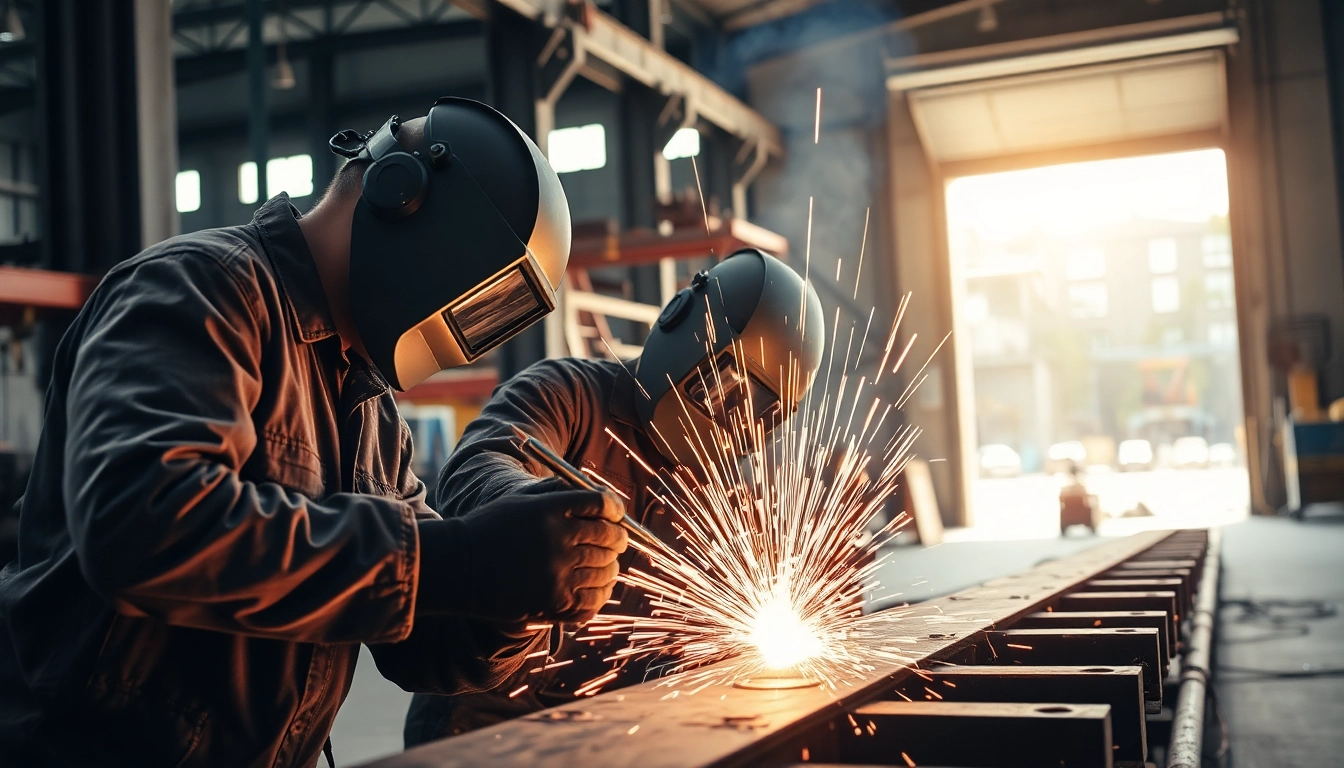
Safety cannot be overlooked in structural steel welding, as it involves considerable hazards ranging from electric shock to exposure to harmful fumes. Adhering to well-defined safety protocols is essential. Key safety measures include:
- Personal Protective Equipment (PPE): Wearing proper gear such as helmets, gloves, and protective clothing to minimize exposure to hazards.
- Proper Ventilation: Working in properly ventilated areas to avoid fume inhalation.
- Regular Equipment Checks: Inspecting and maintaining equipment to ensure it operates safely and effectively.
- Emergency Preparedness: Having procedures in place for fire or severe injury incidents.
By prioritizing safety, welders can protect themselves and contribute to a safer work environment overall.
Best Practices for Successful Welding
Preparation Steps Before Welding
Proper preparation lays the foundation for successful welding. Key steps include:
- Material Inspection: Check materials for defects, like cracks or rust, which could affect weld quality.
- Joint Preparation: Ensure joints are clean and fit-up is correct to allow effective welding.
- Weld Procedure Specification (WPS): Following a detailed WPS that outlines specific parameters, including material types, welding positions, and any preheating requirements.
Techniques for Efficiency and Quality
Enhancing efficiency and maintaining quality is vital in structural steel welding. Adopt the following techniques:
- Practice Manipulation: Hone the skills of controlling the welding torch and filler materials to improve weld appearances.
- Use of Jigs and Fixtures: Implementing jigs can streamline the holding of workpieces, leading to faster and more uniform welds.
- Heat Management: Understand the effects of heat input and adjust welding parameters accordingly to avoid warping or defects.
By focusing on these practices, welders can boost productivity while ensuring high-quality output.
Post-Welding Inspections and Tests
Post-welding inspections are critical for validating weld integrity and quality. Common practices include:
- Visual Inspection: A quick assessment to ensure the weld meets specified criteria and there are no visible defects.
- Non-Destructive Testing (NDT): Techniques such as ultrasonic testing or magnetic particle testing to examine the weld without destroying the component.
- Destructive Testing: In some cases, samples may need to be cut and tested under stress to validate the strength of the weld.
Conducting rigorous inspections helps to prevent future failures and maintain construction integrity.
Future Trends in Structural Steel Welding
Technological Innovations and Automation
The field of structural steel welding is continuously evolving with technological advancements. The introduction of robotic welding has transformed production capabilities, improving precision and reducing human error. These automated systems can perform repetitive tasks with speed and consistency, allowing for enhanced output and efficiency. Additionally, innovations in welding equipment, such as portable machines and advanced techniques like laser welding, are making it possible to achieve complexity and accuracy in designs previously deemed challenging.
Emerging Materials and Methods
As the demand for sustainable construction grows, the industry is witnessing an influx of new materials, such as advanced high-strength steels and eco-friendly filler materials. Along with these materials come new welding methods that focus on energy efficiency and reduced environmental impact. For instance, the trend towards using lightweight materials not only requires tailored welding techniques but also a robust training framework to ensure welders can adeptly work with these materials.
Impact on the Construction Industry
The future trends in structural steel welding will undeniably shape the broader construction industry landscape. Increased automation and innovative materials will reduce construction times, lower costs, and improve the overall quality of projects. Moreover, as the industry leans towards sustainability, structural steel welding practices will need to adapt accordingly, influencing how professionals approach welding tasks within evolving construction paradigms.
The realm of structural steel welding is foundational to the development of robust infrastructures. As techniques advance, and safety and quality become more ingrained in practice, welders will increasingly play a pivotal role in ensuring the longevity and resilience of built environments.