
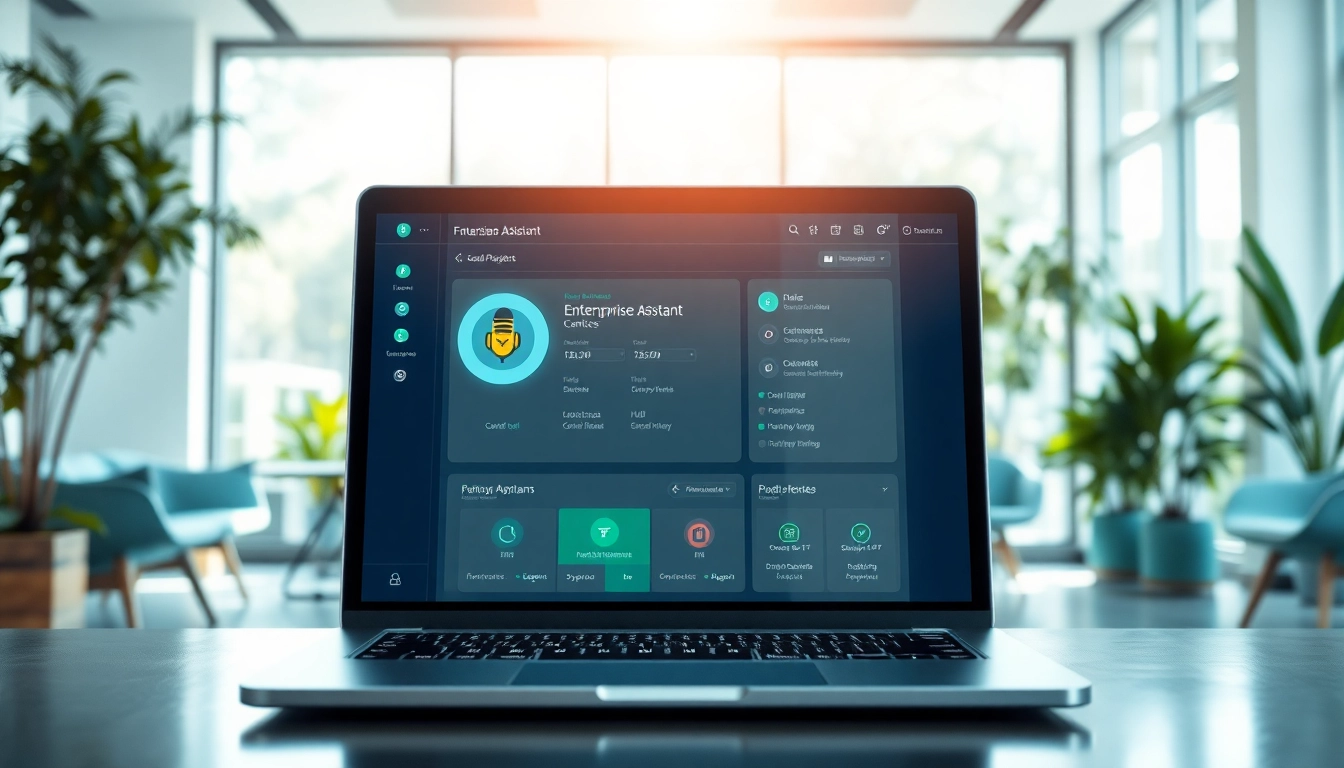
Understanding Enterprise Assistant Platforms
What is an Enterprise Assistant Platform?
An enterprise assistant platform is a sophisticated software system designed to automate and streamline various business processes within an organization. By leveraging the capabilities of artificial intelligence (AI) and machine learning (ML), these platforms serve as virtual assistants, facilitating communication, managing tasks, and providing access to critical data across departments. The integration of these technologies allows organizations to enhance productivity, improve workflow efficiency, and ultimately provide superior customer service.
Key Features of Enterprise Assistant Platforms
Enterprise assistant platforms come equipped with a wide array of features designed to meet the complexities of modern business environments. Some of the essential features include:
- Natural Language Processing (NLP): This enables the platform to understand and process user input in a conversational manner.
- Integration Capabilities: Seamlessly connects with existing software applications, such as customer relationship management (CRM) and enterprise resource planning (ERP) systems.
- User Personalization: Customized user experiences based on individual and team preferences.
- Analytics and Reporting: Provides valuable insights through data analysis, helping organizations make informed decisions.
- Robust Security Features: Ensures data protection and compliance with industry standards.
Benefits of Using an Enterprise Assistant Platform
Adopting an enterprise assistant platform provides numerous advantages, including:
- Increased Efficiency: Automating repetitive tasks frees up human resources for more strategic activities.
- Enhanced Collaboration: Improved communication between teams leads to better alignment on projects.
- Accessibility of Information: Employees can access necessary information quickly, boosting decision-making speed.
- Cost Savings: Reducing human errors and better resource management can lead to significant cost reductions.
- Scalability: The platform can scale as business requirements grow, accommodating more users or processes easily.
Implementing an Enterprise Assistant Platform
Assessing Business Needs for an Enterprise Assistant Platform
To implement an effective enterprise assistant platform, businesses must first assess their specific needs. This process includes identifying key pain points and determining how automation can help alleviate these challenges. Engaging stakeholders across various departments can provide a comprehensive understanding of the requirements and expectations.
Steps to Deploy an Enterprise Assistant Platform
The deployment of an enterprise assistant platform can be broken down into several key steps:
- Define Objectives: Establish clear goals for the implementation.
- Select Appropriate Technology: Choose a platform that aligns with business needs and technological landscape.
- Conduct Pilot Testing: Implement a pilot project to gather feedback and make adjustments.
- Training and Support: Educate employees on how to use the platform effectively.
- Full Rollout: Launch the platform organization-wide, ensuring support is available for ongoing questions.
Integrating with Existing Systems
Successful integration with existing systems is essential for maximizing the functionality of an enterprise assistant platform. This often involves:
- APIs: Utilizing Application Programming Interfaces to facilitate communication between software applications.
- Data Migration: Transferring existing data to the new platform, ensuring data integrity.
- Change Management: Developing strategies to manage transitions and minimize disruption to daily operations.
Improving User Experience with Enterprise Assistant Platforms
Design Principles for Effective Interfaces
User experience (UX) is crucial to the success of an enterprise assistant platform. A user-friendly interface should prioritize simplicity, clarity, and intuitive navigation. Key design principles include:
- Consistency: Maintain a uniform look and feel across all platform interactions.
- Feedback Mechanisms: Provide immediate feedback to users about their actions.
- Accessibility: Ensure that the platform can be used by individuals of varying abilities.
Training Employees to Use the Enterprise Assistant Platform
Investing in training is fundamental to ensure employees can leverage the features of the enterprise assistant platform effectively. This can include:
- Workshops: Conduct hands-on sessions for in-depth learning.
- Online Resources: Provide access to tutorials and guides for self-paced learning.
- Ongoing Support: Establish a helpdesk or support team for continuous assistance.
Gathering User Feedback for Continuous Improvement
Gathering user feedback is essential for refining and enhancing the platform’s effectiveness. Organizations can employ various methods such as:
- Regular Surveys: Gauge user satisfaction and identify areas for improvement.
- User Interviews: Conduct interviews to gain deeper insights into experiences.
- Usage Analytics: Analyze user behavior data to identify popular features and potential issues.
Performance Metrics for Enterprise Assistant Platforms
Measuring Success: Key Performance Indicators
To evaluate the effectiveness of an enterprise assistant platform, organizations should track several key performance indicators (KPIs), such as:
- User Adoption Rate: The percentage of employees actively using the platform.
- Task Completion Time: Measuring the time taken to complete tasks before and after implementation.
- Cost Savings: Assessing financial reductions stemming from increased efficiency.
Analyzing User Engagement Data
User engagement data provides insights into how effectively the platform is being utilized. Businesses should consider:
- Interaction Frequency: How often users interact with the platform.
- Feature Utilization: Identifying which features are most or least used by employees.
- User Feedback Ratings: Tracking satisfaction ratings to gauge user perceptions.
Adapting Strategies Based on Metrics
Using the collected metrics, organizations should be prepared to adjust their strategies accordingly. This includes:
- Enhancing Features: Updating or introducing features based on user preferences.
- Addressing Pain Points: Identifying and resolving issues users face with the platform.
- Continuous Training: Updating training materials and schedules based on user performance trends.
Future Trends in Enterprise Assistant Platforms
Innovations to Watch in Enterprise Assistant Platforms
The future of enterprise assistant platforms is likely to see numerous innovations, particularly in areas such as:
- Expanded Automation: Increasing the range of tasks that can be managed by AI.
- Enhanced AI Capabilities: Incorporating more advanced AI algorithms for better decision-making.
- Interconnectivity: Greater synergy between different enterprise tools and platforms.
The Role of AI in Evolving Enterprise Assistant Platforms
AI will continue to play a transformational role in enterprise assistant platforms. Key developments may include:
- Deep Learning: More sophisticated understanding of user behavior and preferences.
- Predictive Analytics: Anticipating user needs and offering proactive assistance.
- Machine Learning Enhancements: Continual learning from user interactions to improve service delivery.
Preparing for Changes in Workflows and Communication
As technology evolves, businesses must be adaptable. Preparing for changes may include:
- Cultural Shifts: Fostering a culture open to adopting new technologies.
- Workflow Redesign: Re-evaluating existing workflows to maximize platform capabilities.
- Regular Training Updates: Continually refreshing training to ensure employees remain competent in using the evolving platform.
Frequently Asked Questions
What are the advantages of using an enterprise assistant platform?
An enterprise assistant platform improves efficiency, streamlines workflows, and enhances team collaboration, leading to greater productivity.
How do I choose the right enterprise assistant platform for my business?
Identify your specific business needs, evaluate features, and consider integration capabilities with existing tools for optimal results.
Can an enterprise assistant platform integrate with other software?
Yes, most enterprise assistant platforms can integrate with existing software, enhancing functionality and streamlining processes.
What kind of data can I gather from an enterprise assistant platform?
You can collect data on user engagement, task completion rates, and overall platform performance, providing insights into efficiency.
Are there security concerns with enterprise assistant platforms?
Security is essential; ensure the platform complies with relevant standards and includes robust encryption and user authentication measures.