Introduction to Fly Fishing for Bass
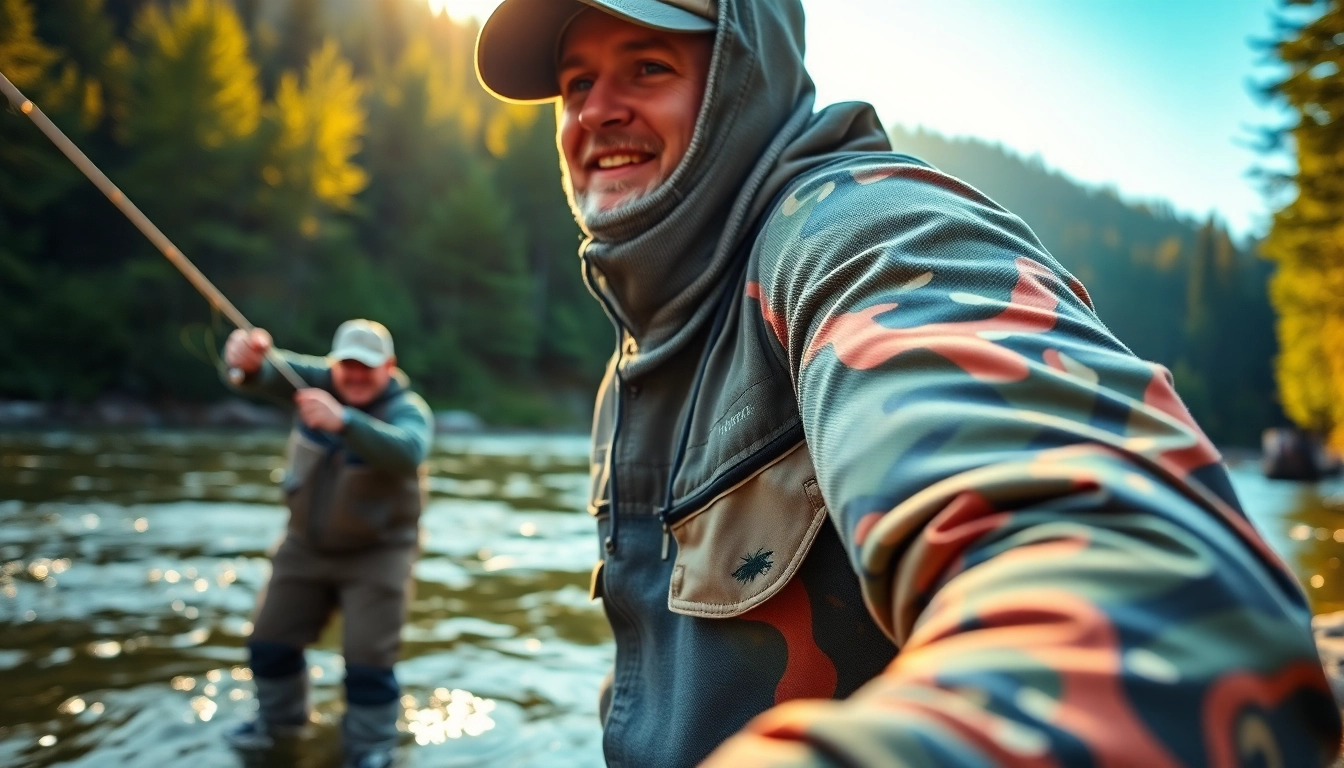
Fly fishing for bass offers an exciting alternative to traditional tackle methods, providing anglers with the opportunity to catch these robust fish using a technique that requires skill and finesse. The thrill of casting a well-tied fly, coupled with the challenge of enticing a bass to strike, makes it a rewarding experience for novices and seasoned anglers alike. Whether you’re new to Fly fishing for bass or looking to refine your skills, understanding the nuances of this method is crucial for success.
The Basics of Fly Fishing
To grasp fly fishing for bass, it’s essential to start with the fundamentals. Unlike conventional fishing methods that utilize bait or lures, fly fishing involves imitating natural prey using artificial flies. This requires not only a good understanding of the local environment but also proficiency in casting techniques. The primary goal is to present the fly in a way that closely mimics the movement of insects or baitfish—critical for enticing bass.
Advantages of Fly Fishing for Bass
There are several advantages to fly fishing for bass. One of the most notable is the precision it offers. Fly casting allows anglers to target specific areas of water where bass might be hiding—such as around fallen trees, rocks, or underwater structures. Moreover, fly fishing fosters a deeper appreciation for the environment as it often encourages catch-and-release practices, thus promoting sustainable fishing.
Understanding Bass Behavior
A thorough comprehension of bass behavior is vital for successful fly fishing. These fish are ambush predators, often lying in wait for unsuspecting prey. They are influenced by various factors such as water temperature, weather conditions, and seasonal changes. Understanding these behaviors helps anglers to choose the right time and place to fish, significantly increasing their chances of success.
Choosing the Right Gear for Fly Fishing for Bass
The right gear is essential for effective fly fishing for bass. Selecting appropriate rods, reels, lines, and flies tailored for bass specifically can enhance your fishing experience immensely.
Recommended Fly Rods and Reels
For bass fishing, rods typically range from 6 to 8 weights, offering the strength necessary to handle bigger fish and hefty flies. A 7-weight rod is particularly versatile, allowing for a balance between casting distance and control when battling fish. Pairing this with a large-arbor reel ensures a smooth retrieval and minimizes the risk of tangles. Look for reels with adjustable drag systems to manage the fights with energetic bass effectively.
Best Fly Lines for Bass Fishing
Choosing the right fly line is equally important. Floating lines are commonly used for topwater techniques, while sink-tip lines are effective when targeting deeper waters or when using heavier flies. A weight-forward line is often recommended for bass, as it allows for more efficient casting, especially in windy conditions or when targeting distance.
Essential Flies for Catching Bass
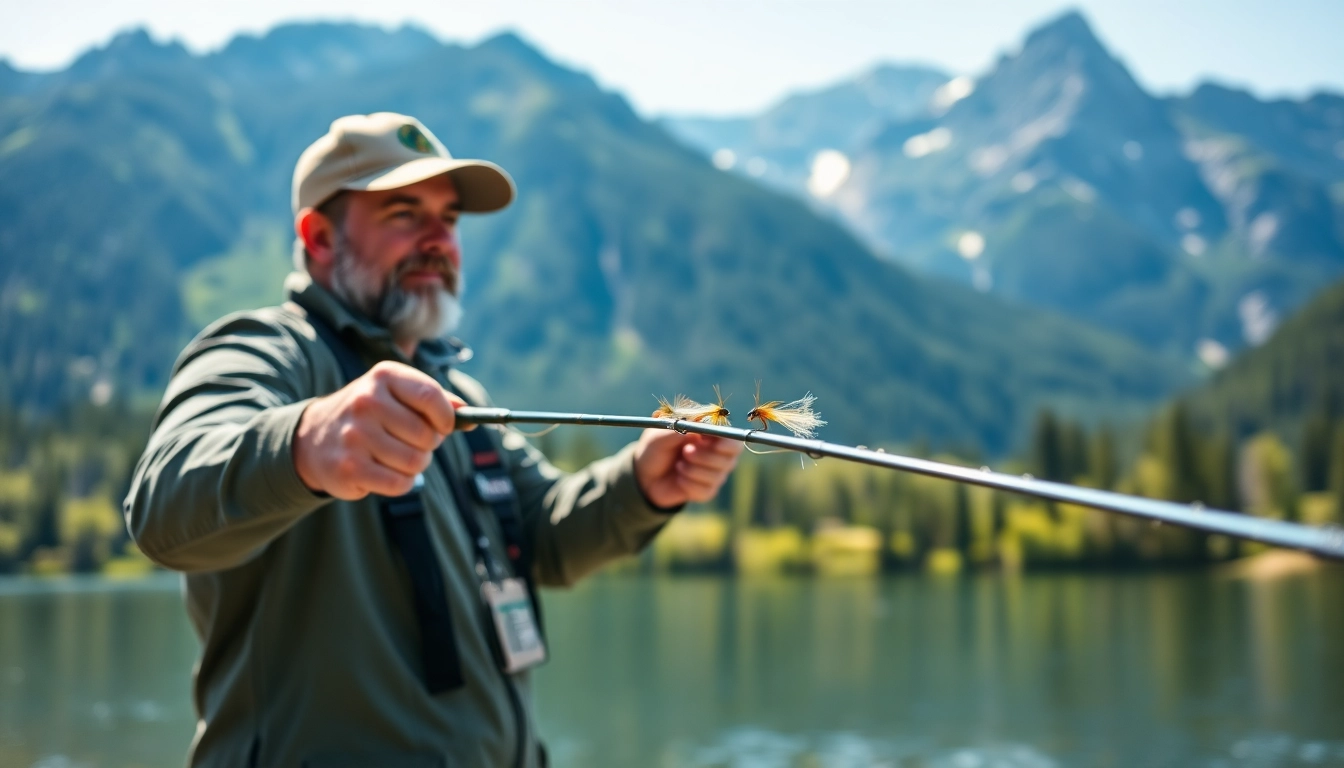
When it comes to fly selection for bass, various patterns can yield successful results. Streamers like Clouser Minnows or Woolly Buggers are fantastic choices, imitating fleeing baitfish. Additionally, poppers and diver patterns attract attention on the surface, creating exciting strikes. It’s beneficial to carry an assortment of colors and sizes to match the local forage and varying fishing conditions.
Techniques for Effective Fly Fishing for Bass
While having the correct gear is essential, mastering casting techniques, reading water, and retrieving methods is critical to entice bass effectively.
Cast Techniques for Bass
Effective casting is paramount in fly fishing. Techniques like the roll cast, overhead cast, and double haul should be practiced to ensure accuracy and distance. The roll cast can be particularly helpful in tight quarters, such as casting under overhanging branches or around structures. Practicing these techniques can lead to improved presentation, crucial for enticing wary bass.
Reading Water: Where to Find Bass
Recognizing hotspots is crucial in fly fishing for bass. Look for areas with ample structure—boulders, weed beds, and fallen trees—where bass are likely to hide. Additionally, understanding current flows in rivers or streams can direct you to where fish congregate. Bass also tend to seek shelter in shallower waters during the early morning and late afternoon, making these times prime for fishing.
Retrieve Methods to Attract Bass
The retrieve method can significantly impact your success. Varying your retrieve speed and employing techniques like the “strip set” can trigger strikes. A slow, steady retrieve can mimic a wounded baitfish, while quick, erratic pulls can evoke a chase response. Incorporating pauses in your retrieve can also lead to explosive strikes, as bass may aggressively respond to the sudden stop in movement.
Seasonal Strategies for Fly Fishing for Bass
Each season brings unique challenges and opportunities for fly fishing for bass. Understanding seasonal patterns helps to adjust your tactics accordingly.
Spring: Preparing for the Spawn
Spring is a vital time for bass, as they prepare for spawning. During this period, bass can be found in shallower waters, particularly around nests. Targeting these areas with a well-presented fly can yield excellent results. Focus on using larger streamers or poppers to entice strikes as bass become more aggressive during this time.
Summer: Targeting Shallow Waters
In summer, bass tend to be more active and can often be found in shallow, warmer waters. Topwater techniques excel during this season, with poppers and surface flies drawing attention. Early mornings and late afternoons are prime times to fish, as bass are actively feeding during these cooler parts of the day. Look for shaded areas and structure to find these fish.
Fall: Strategies for Catching Feeding Bass
As temperatures begin to cool in fall, bass can be found staging in preparation for winter. They will often feed heavily, providing excellent opportunities for anglers. Focus on using streamers and larger flies that mimic the abundant forage as these fish put on weight before colder months. Don’t shy away from deeper waters, especially as water temperatures drop.
FAQs about Fly Fishing for Bass
Is Fly Fishing Effective for Bass?
Yes, fly fishing can be highly effective for bass, especially when employing the right techniques and flies. Smaller flies are great for catching smaller bass, while larger flies attract bigger fish.
What Are the Best Flies for Bass Fishing?
Effective flies for bass include large streamers, poppers, and variations like Woolly Buggers. Experimenting with different colors and sizes is crucial to finding the right match for local conditions.
Where Is the Best Place to Fly Fish for Bass?
Bass typically hang around structures like boulders, rocks, and fallen logs. Look for these formations in rivers and creeks, as well as shallow flats in lakes, for productive fishing.
What Weight Fly Rod Is Best for Bass?
A 6 to 8-weight fly rod is ideal for bass fishing, providing enough power to handle larger fish and cast heavier flies effectively.
What Time of Year Is Best for Fly Fishing for Bass?
Spring and fall are regarded as the best seasons for fly fishing for bass, as fish are more actively feeding and accessible during these times.