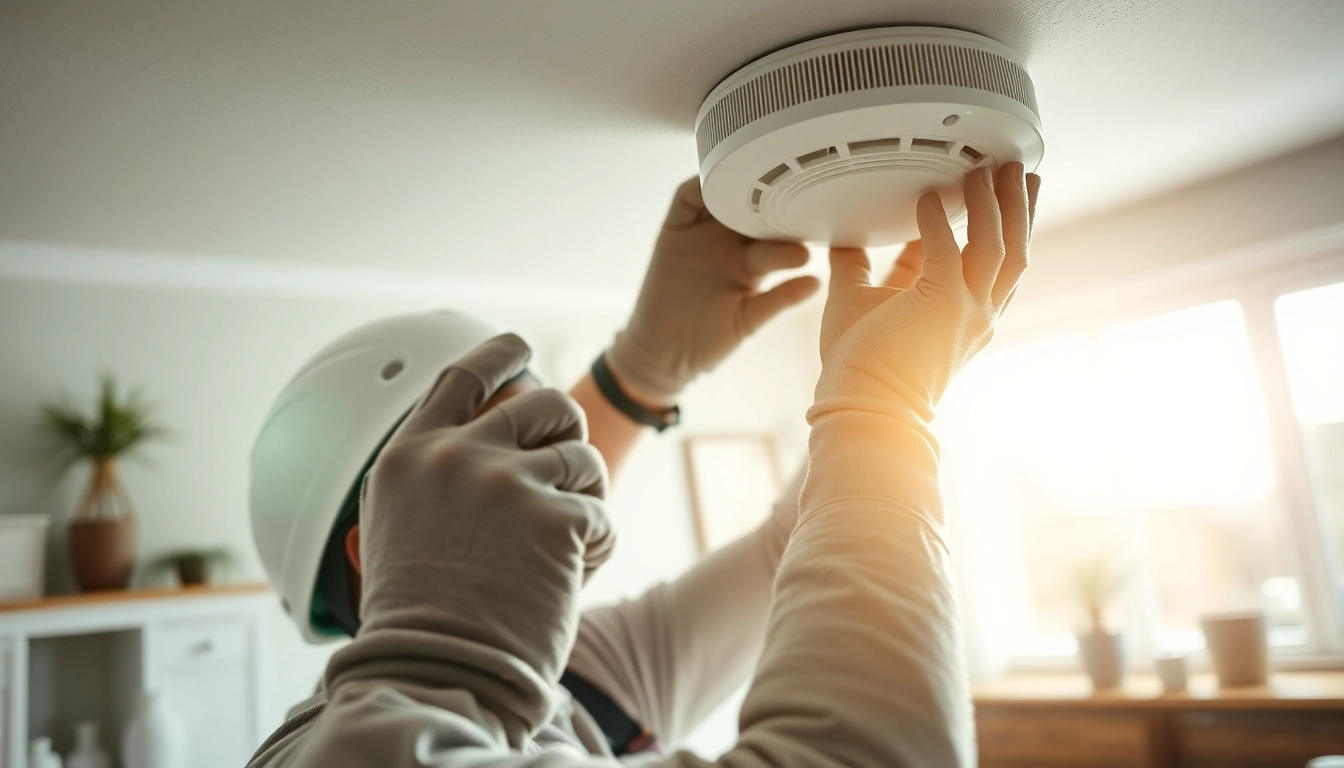
Smoke detectors are vital components of home safety, providing a first line of defense against fires. Yet, like any device that requires power, their effectiveness hinges significantly on the quality and condition of their batteries. Understanding the nuances of smoke detector battery types, installation, and maintenance can be the difference between a life-saving alert and a devastating failure. This guide will navigate you through all essentials concerning smoke detector batteries—ensuring that your home remains a safe haven.
Understanding Smoke Detector Batteries
Types of Smoke Detector Batteries
When selecting a battery for your smoke detector, it's critical to understand the different types available:
- Alkaline Batteries: These are among the most common batteries used in smoke detectors. Affordable and widely available, they typically last for about six months to a year, depending on usage.
- Lithium Batteries: Known for their long life, lithium batteries can last anywhere from 5 to 10 years. They are often non-replaceable and come integrated with smoke detectors, making replacement of the entire unit necessary once they expire.
- Nickel Cadmium (NiCd) Batteries: These rechargeable batteries can provide a solid option, especially in smoke detectors designed to accommodate them, but they require regular recharging and maintenance.
How Battery Life Affects Safety
Battery life is not just a matter of convenience; it directly impacts safety. A smoke detector with a dead battery cannot perform its fundamental duty of alerting occupants to danger. Hence, understanding battery life helps homeowners in planning timely replacements and minimizing risks posed by fire hazards. Regularly checking the battery status and preemptively changing batteries can greatly enhance home safety.
Comparing Rechargeable and Non-Rechargeable Options
Rechargeable batteries present both advantages and disadvantages compared to non-rechargeable options. Rechargeable batteries may seem environmentally friendly and cost-effective in the long run; nevertheless, they require disciplined maintenance and can present performance issues over time if not adequately monitored. On the other hand, non-rechargeable batteries, while requiring periodic replacement, often provide consistent performance throughout their lifespan and are easier to manage without additional upkeep. When choosing between these options, consider factors such as your lifestyle, battery management habits, and detector requirements.
Choosing the Right Battery for Your Smoke Detector
Key Considerations When Selecting a Smoke Detector Battery
When choosing a smoke detector battery, several factors should be prioritized:
- Detector Compatibility: Always refer to your smoke detector's manual for recommended battery types to ensure optimal performance.
- Battery Life: Consider how often you are willing to replace batteries, and balance that with the cost-effectiveness of each option.
- Environmental Considerations: Look into recycling options and the environmental impact of the battery types you are considering. Lithium batteries, for instance, often have specific disposal rules.
Compatible Battery Types for Different Detectors
Smoke detectors come in various models, each potentially requiring a unique battery type:
- Standard 9V smoke detectors typically use alkaline or lithium batteries.
- Hardwired alarms may use backup batteries, often in the form of a rechargeable lithium battery.
- Smart smoke detectors often incorporate non-removable batteries that last for several years, combining convenience with sustainability.
Top Brands for Reliable Smoke Detector Batteries
Choosing a reputable brand can significantly impact safety:
- Energizer: Known for reliable alkaline and lithium batteries, Energizer produces batteries that are widely recommended.
- Duracell: Another familiar name, Duracell batteries are often praised for their durability and long-lasting performance.
- Panasonic: This brand offers a selection of both traditional and lithium batteries tailored for smoke detectors.
Installation Tips for Smoke Detector Batteries
Step-by-Step Guide to Installing Your Battery
Replacing or installing a new battery in your smoke detector can be a straightforward process if you follow these steps:
- Start by ensuring that the smoke detector is properly grounded and powered down.
- Open the battery compartment, usually located on the back or side of the unit.
- Remove the old battery, taking note of its orientation.
- Insert the new battery, ensuring that it is oriented correctly (+ and - terminals matching).
- Close the battery compartment and ensure it’s secured tightly.
- Test the smoke detector by pressing the test button to confirm it’s working.
Common Mistakes to Avoid During Installation
While installing batteries may seem simple, certain mistakes can lead to ineffective smoke detection:
- Using expired or improperly stored batteries can compromise performance.
- Neglecting to check compatibility may inhibit battery function.
- Failing to test the detector post battery installation can leave your household vulnerable.
Maintaining Your Smoke Detector Post-Installation
Once the battery is installed, continued maintenance is essential for safety:
- Regularly dust or vacuum the smoke detector to prevent false alarms.
- Test the smoke detector monthly to ensure proper functionality.
- Update batteries as per the manufacturer’s recommendation, generally every 6 months to a year.
Signs That Your Smoke Detector Battery Needs Replacement
Understanding the Warning Signals
Being vigilant about your smoke detector’s performance is vital. Common warning signals indicating a battery needs replacement include:
- A chirping sound, which is a typical alert for low battery.
- Illuminated warning lights can indicate a battery issue or malfunction.
- As well as more frequent false alarms, which could signify battery performance degradation.
Importance of Regular Testing
Regular testing of your smoke detector is non-negotiable. This ensures it can effectively respond to potential fires:
- Conduct weekly tests to guarantee optimal working condition.
- Regular testing can help familiarize you with the device’s alarms and warnings.
- Document each test, including date and any issues encountered for thorough safety oversight.
How to Safely Replace Your Smoke Detector Battery
Your safety is paramount during the battery replacement process:
- Always wear gloves when handling batteries, especially if they appear damaged or corroded.
- Follow manufacturer guidelines closely to avoid mishaps during replacement.
- Ensure the smoke detector is not in operation while changing batteries to prevent false alarms.
Best Practices for Smoke Detector Maintenance
Regular Check-ups and Testing Schedule
Developing a routine for smoke detector maintenance is essential:
- Set a monthly reminder to test the battery and functionality of your smoke detectors.
- Encourage family members to participate in check-ups to foster awareness and collective responsibility.
- Consider integrating smoke detector checks into seasonal home maintenance plans for consistency.
Maintaining the Ideal Environment for Your Smoke Detector
Placement and surrounding conditions of your smoke detector can affect its performance:
- Install smoke detectors away from kitchens to reduce false alarms from cooking.
- Avoid placing detectors in areas with high humidity, as moisture can affect battery performance.
- Ensure smoke detectors are installed at the proper height for optimal functionality, generally on ceilings or high walls.
Resources for Smoke Detector Safety Education
Educating yourself and your family on smoke detector importance cannot be overstated:
- Utilize resources from fire departments and safety organizations, which often provide valuable guidelines and educational materials.
- Attend community workshops focusing on fire safety, including fire prevention and proper smoke detector usage.
- Regularly check credible websites for updated information about fire safety and smoke detector maintenance tips.