
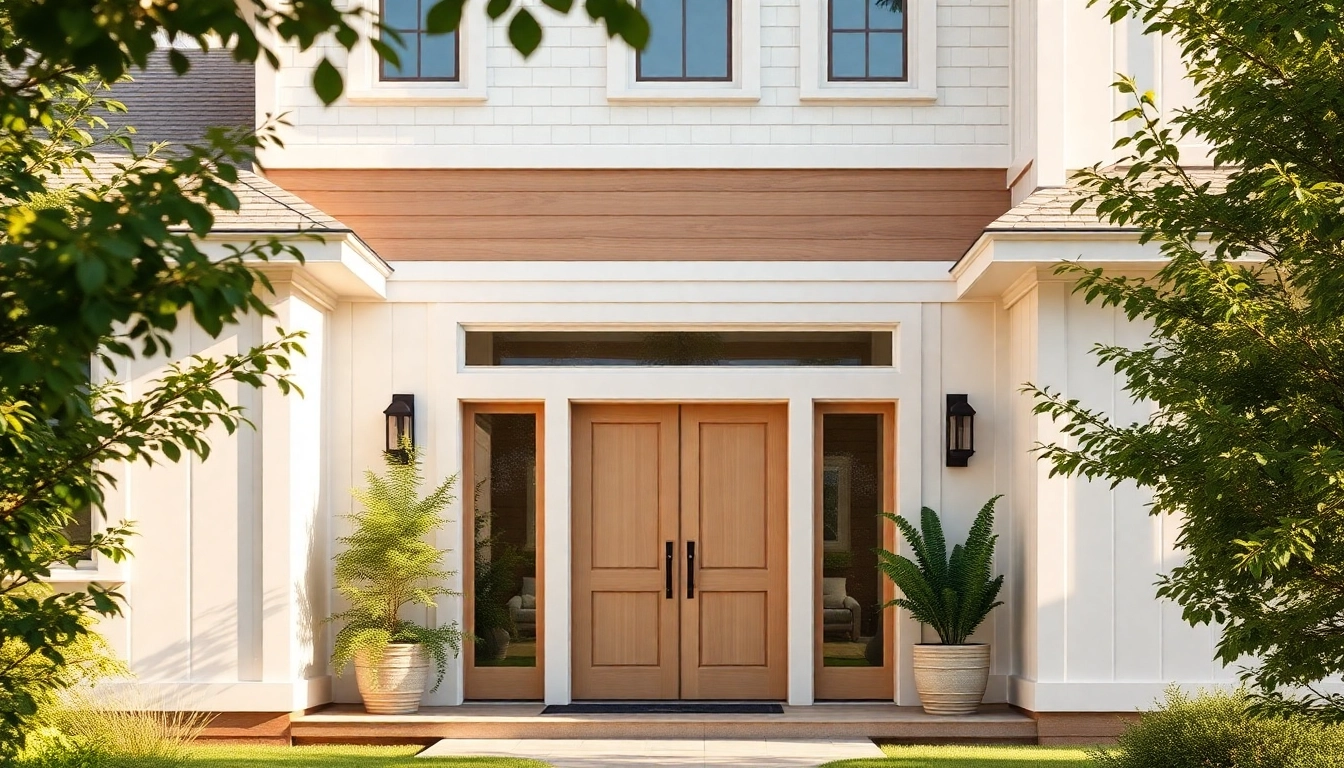
Understanding Cape Cod Home Addition
Definition and Purpose
A cape cod home addition refers to the process of enhancing a Cape Cod-style home by adding living space while preserving its distinct architectural character. This type of addition can include various features such as bedrooms, bathrooms, or even an attached garage. The purpose of such an expansion is not only to increase the usable square footage of the home but also to improve its functionality and comfort without compromising its aesthetic appeal.
Benefits of Adding Space
There are numerous advantages to undertaking a Cape Cod home addition. One primary benefit is increased living space, allowing for growing families or changing needs. Additionally, a well-planned addition can significantly boost the property’s market value. Potential buyers are often attracted to homes that offer more space and modern amenities. Moreover, an addition can enhance your lifestyle by creating functional spaces for entertainment, relaxation, or work. Ultimately, a Cape Cod home addition helps to maintain the charm of your property while increasing its utility.
Key Features of Cape Cod Architecture
Cape Cod architecture is characterized by steeply pitched roofs, symmetrical facades, and dormer windows. Often adorned with wooden shingles or clapboard siding, these homes exude New England charm. Notable features include low ceilings, large fireplaces, and simple yet functional layouts. When planning a home addition, it is essential to incorporate these design principles to maintain the coherence of the overall aesthetic. Mixing modern amenities with traditional elements can create a seamless transition between the old and new parts of the home, enhancing both beauty and functionality.
Planning Your Cape Cod Home Addition
Initial Considerations
Before embarking on a Cape Cod home addition, it is vital to assess your needs and expectations. Begin with identifying how the additional space will be used. Whether it is for growing family members, a home office, or entertaining guests, clarity in purpose will guide your planning process. Additionally, consider the location of the addition. It is often beneficial to add space at the back or side of the house to maintain the architectural integrity of the front facade. This planning phase should also include gathering feedback from family members to ensure that the design aligns with everyone’s needs.
Budgeting for Your Project
A well-defined budget is crucial for any addition project. Start by evaluating the costs of materials, labor, and permits. Consulting with professionals can provide you with estimates and may help identify potential costs that are easily overlooked, such as site preparation or landscaping. Additionally, it is wise to set aside a contingency budget to cover unforeseen expenses that may arise during construction. Effective budgeting not only keeps your project on track but also enables you to make informed decisions about design choices and materials.
Permits and Regulations
Before starting construction on your Cape Cod home addition, familiarize yourself with local regulations and permit requirements. Building permits are often required for structural changes, and zoning laws may dictate how much space can be added. It’s advisable to consult with your local building department to ensure compliance with all legal guidelines. Understanding these regulations early in the planning phase can save you time and potential issues later down the line, promoting a smoother construction process.
Design Ideas for Cape Cod Home Addition
Modern vs. Traditional Styles
When deciding on the design for your Cape Cod home addition, you’ll want to consider whether to adopt a modern or traditional style. A traditional design might include elements such as maintained roof pitches, clapboard siding, and classic window treatments. Conversely, a modern design can incorporate larger windows, open floor plans, and minimalist aesthetics. Striking a balance between these styles can create a fresh approach while respecting the home’s original character, ensuring the new addition feels like a natural extension of the existing structure.
Incorporating Natural Light
Natural light plays a critical role in enhancing the ambiance of any space. When planning your addition, consider incorporating large windows, skylights, or sliding glass doors to bring in ample sunlight. Thoughtfully integrating these elements can create a bright, inviting atmosphere, transform the space, and even lower energy costs by reducing the need for artificial lighting. Explore various window placements and types to maximize the benefits of natural light while retaining privacy and comfort.
Outdoor Living Spaces
Outdoor living spaces can significantly enhance the appeal and utility of your Cape Cod home addition. Decks, patios, and porches can serve as excellent extensions of your living areas, providing opportunities for relaxation and entertainment. Incorporating natural elements such as landscaping, gardens, and water features can blend the indoor and outdoor living spaces harmoniously. Consider using materials that complement the existing architecture, creating a seamless transition that enhances both aesthetic and functional value.
Choosing Materials for Your Cape Cod Home Addition
Wood and Stone Options
When selecting materials for your Cape Cod home addition, both wood and stone offer timeless appeal and durability. Wood, whether in the form of framing, siding, or trim, can evoke warmth and charm synonymous with traditional Cape Cod homes. On the other hand, stone elements can provide a robust foundation, add texture, and contribute to the desired coastal aesthetic. Always choose high-quality materials that complement the original structure while ensuring they require minimal maintenance to keep your home looking pristine for years to come.
Energy Efficient Choices
Incorporating energy-efficient materials and systems in your Cape Cod home addition can greatly reduce energy costs and enhance comfort. Opt for double or triple-glazed windows to ensure thermal insulation, along with energy-efficient appliances and heating systems. Sustainable materials like reclaimed wood or recycled stone can also be excellent choices, supporting eco-friendly practices while enhancing your home’s aesthetics. These investments not only yield savings in the long run but also appeal to environmentally conscious buyers if you plan on selling in the future.
Maintenance Considerations
Residential maintenance is key to sustaining the beauty and function of your home addition. Choose materials that require low maintenance, particularly in coastal areas where elements like salt and moisture can accelerate wear. For instance, fiber cement siding or vinyl can withstand harsh conditions more effectively than traditional wood. Regular maintenance and inspections of roofing, siding, and exterior finishes can prevent potential issues, ensuring your Cape Cod home addition remains in top shape for years to come.
Common Challenges and Solutions
Dealing with Space Constraints
Space constraints can pose significant challenges when planning your Cape Cod home addition. To address this, prioritize functionalities that serve multiple purposes; for instance, integrating a guest bedroom that doubles as a home office. Utilizing vertical space through built-in shelving or storage solutions can also help maximize functionality within tighter areas. Consider consulting an interior designer to optimize layouts effectively, ensuring every square inch serves a purpose.
Managing Construction Timelines
Construction timelines can vary widely based on complexity and external factors like weather or permit delays. To offset scheduling issues, establish a detailed timeline early, identifying critical milestones and possible delays. Continuously communicate with your contractors to monitor progress and address any emerging concerns promptly. Having a clear project schedule allows for better planning and enables you to adapt to any unforeseen challenges without disrupting your overall timeline.
Staying Within Budget
Staying within budget is critical to the success of your home addition. Create a comprehensive budget that includes materials, labor, permits, and contingency funds for unexpected costs. Regularly review your spending against the budget, making adjustments as necessary while avoiding unnecessary expenses. Open discussions with contractors about budget constraints can also yield cost-effective solutions, ensuring you get the most value out of your investment.
FAQs
What is a Cape Cod home addition?
A Cape Cod home addition enhances the property by adding space while maintaining the architectural style.
How long does a typical home addition take?
On average, a home addition can take anywhere from three to six months, depending on size and complexity.
What permits do I need for a home addition?
Permits vary by location but often include building permits, electrical permits, and zoning approvals.
What are the most popular design features?
Popular features include open floor plans, large windows for natural light, and outdoor living decks.
How should I budget for a Cape Cod home addition?
Consider costs for materials, labor, permits, and any unforeseen expenses to effectively budget your project.