
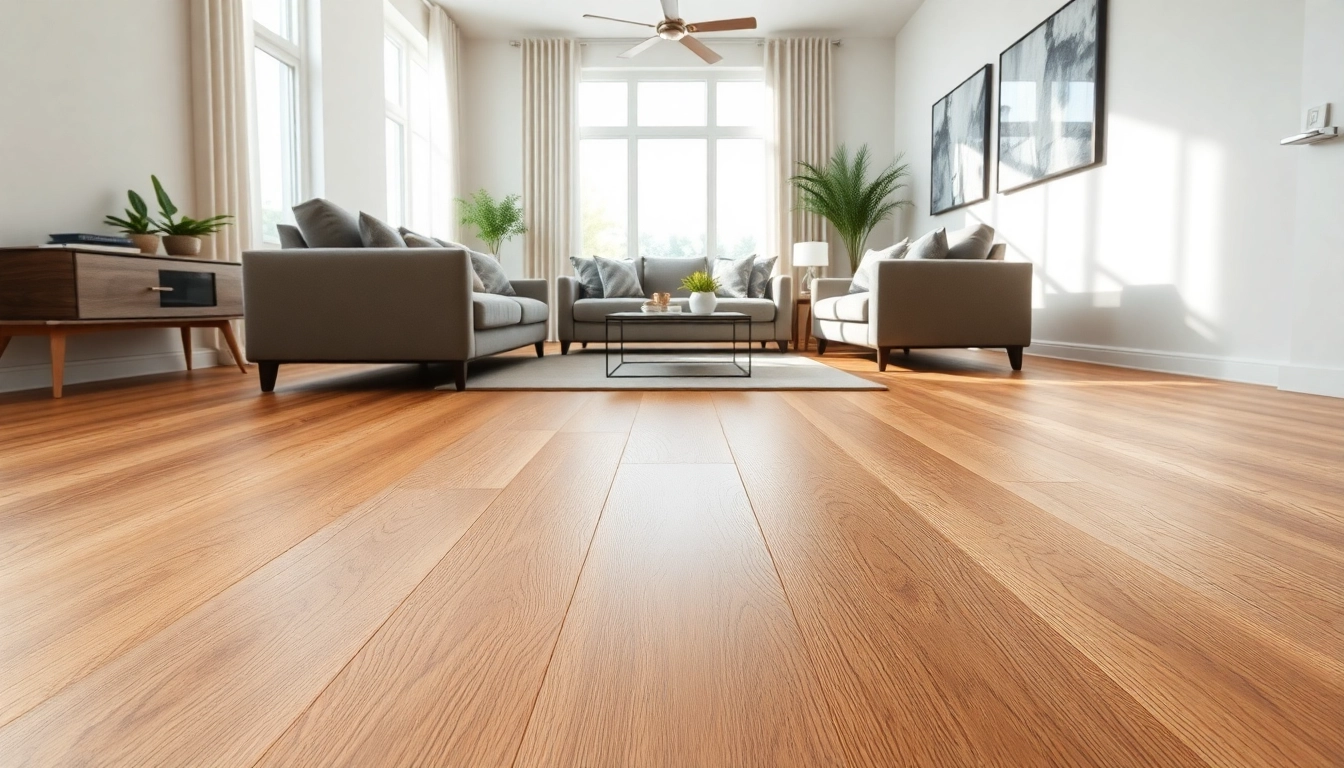
Understanding lvp Flooring: A Comprehensive Overview
What is lvp Flooring?
Luxury Vinyl Plank, commonly referred to as lvp flooring, is a synthetic flooring option designed to mimic the look of natural materials like hardwood, stone, or tile. It consists of multiple layers, including a wear layer, a photographic layer that provides the design, a vinyl core layer, and a backing layer. This multi-layer construction not only offers aesthetic appeal but also enhances durability, resistance to moisture, and ease of maintenance.
Benefits of Choosing lvp Flooring
Choosing lvp flooring comes with numerous advantages, making it a popular choice among homeowners and designers alike. First and foremost, lvp flooring is renowned for its exceptional durability. With its robust wear layer, it can withstand heavy foot traffic, making it suitable for both residential and commercial spaces. Additionally, lvp flooring is waterproof, which is essential for areas prone to spills or moisture, such as kitchens and bathrooms. The ease of installation further adds to its appeal; many manufacturers offer products that can be installed as floating floors, which means they do not require glue or nails.
Another significant benefit is the vast array of styles and designs available. With lvp flooring, homeowners can find options that closely resemble natural wood or stone, allowing for greater design flexibility without compromising on functionality. Furthermore, it is generally more budget-friendly than traditional hardwood or natural stone, making it an accessible choice for many.
How lvp Flooring Compares to Traditional Flooring
When comparing lvp flooring to traditional flooring options, several key differences emerge. Traditional hardwood flooring requires significant maintenance, including regular refinishing and treatment against moisture and pests. In contrast, lvp flooring requires minimal upkeep, as it is designed to be resistant to stains and scratches.
Moreover, the installation processes of lvp flooring and traditional options significantly differ. Hardwood flooring typically requires professional installation, considering the complexities involved, while many lvp products can be easily installed as a DIY project. This feature alone allows homeowners to save money and time during renovations.
Types of lvp Flooring: Finding the Right Fit
Styles and Designs of lvp Flooring
The beauty of lvp flooring lies in its versatility. Available in a range of colors, textures, and finishes, consumers can select from options that imitate the look of exotic hardwood, rustic barn wood, natural stone, and tiles. This variety allows homeowners to achieve their desired design aesthetic without the limitations of natural materials.
For example, there are products that offer embossed textures that enhance the realism of wood grain or stone surface. Such designs can dramatically elevate the visual appeal of a room, providing a warm and inviting atmosphere. Whether one seeks a modern, sleek finish or a cozy, traditional vibe, there is likely an lvp flooring design that fits the bill.
Choosing the Right Thickness and Wear Layer
Choosing the right thickness and wear layer for your lvp flooring is critical to ensure longevity and durability. Lvp flooring typically ranges from 2mm to 8mm in thickness. Thicker planks tend to be more durable and offer better sound insulation, which can be especially beneficial in multi-story homes or apartments.
The wear layer, measured in mils, is also an essential factor. A higher mil thickness means greater resistance to scratches, dents, and other forms of wear and tear. For residential spaces, a wear layer of 12 to 20 mils is commonly recommended, while commercial areas may benefit from 20 mils or more.
Eco-Friendly lvp Flooring Options
As environmental awareness grows, many manufacturers are responding with eco-friendly lvp flooring options. These products often contain recycled materials and are free from harmful chemicals, contributing to healthier indoor air quality.
Additionally, some brands offer lvp flooring that is certified by organizations such as the Forest Stewardship Council (FSC), ensuring sustainable sourcing and manufacturing practices. Homeowners interested in sustainability should look for these certifications when selecting lvp flooring to align their purchasing decisions with their eco-conscious values.
Installation Guide: Steps for a Successful Project
Preparing Your Space for lvp Flooring
Before embarking on your lvp flooring installation journey, proper preparation of your space is crucial. Begin by ensuring the subfloor is clean, dry, and smooth. Any irregularities or debris can affect the flooring installation and lead to issues later on.
It is advisable to acclimate the flooring planks to the room’s temperature and humidity by letting them rest in the intended space for 48 hours prior to installation. This process allows the lvp flooring to expand or contract as needed, preventing any future buckling or warping.
DIY Installation vs. Hiring Professionals
Many homeowners ponder whether to tackle the lvp flooring installation themselves or hire professionals. DIY installation can be a rewarding experience and a money-saver, especially with planks designed for user-friendly installation methods like click-lock systems. Online tutorials and guides can provide ample support for novices.
However, hiring professionals may be a better option for those unfamiliar with flooring installation or lacking the time to devote to the project. Professionals can ensure that the installation meets industry standards, minimizing the risk of problems down the line.
Tools and Materials Needed for Installation
Should you decide to undertake the installation yourself, having the right tools and materials is essential for success. Here are some must-haves:
- Measuring tape
- Utility knife
- Straight edge or square
- Rubber mallet
- Pull bar and tapping block
- Flooring underlayment (if required)
Having these tools on hand will facilitate a smoother installation process and yield a more professional-looking result.
Caring for Your lvp Flooring: Maintenance Tips
Daily Care Routines for lvp Flooring
Caring for your lvp flooring does not require extensive effort, but some daily routines can help extend its lifespan. Regular sweeping or vacuuming is recommended to keep dirt and debris off the surface. It is essential to use a soft-bristle broom or vacuum without a beater bar to avoid scratching the flooring.
Additionally, a damp mop with a mild cleaning solution can be utilized to clean any spills or stains. It is crucial to avoid using excess water, as standing water can damage the planks over time.
Dealing with Stains and Damage
Even with proper care, accidental stains or damage can occur. For surface stains, a gentle cleaner or a mixture of vinegar and water can effectively clean without harming the finish. For deeper scratches, a manufacturer-recommended filler can be employed to repair the area.
If damage occurs on a plank, many lvp products allow for individual planks to be replaced rather than replacing the entire floor, which can significantly reduce repair costs and effort.
Long-term Maintenance Considerations
Long-term maintenance of lvp flooring is relatively straightforward, but some guidelines can help keep it in optimal condition. Regularly inspect the flooring for wear and tear and address any issues promptly to avoid more significant problems down the line.
Every few months, it is advisable to refresh the protective layer of your floor with a manufacturer-recommended maintenance product. This practice will help maintain the floor’s sheen and protect against scratches and scuffs.
Frequently Asked Questions About lvp Flooring
What makes lvp Flooring a budget-friendly option?
lvp flooring is often more affordable than traditional hardwood or natural stone, providing a similar aesthetic for a fraction of the price. Additionally, its durability reduces the need for costly repairs or replacements over time.
Is lvp Flooring suitable for high-moisture areas?
Yes, lvp flooring is waterproof and ideal for high-moisture areas such as bathrooms, kitchens, and basements. Its resistance to moisture prevents damage and mold growth.
How long does lvp Flooring typically last?
With proper care and maintenance, lvp flooring can last anywhere from 10 to 25 years, depending on the quality of the product and its wear layer thickness.
Can lvp Flooring be installed over existing floors?
Yes, lvp flooring can often be installed over existing floors like tile or vinyl, provided the surface is clean, level, and structurally sound. This feature saves time and money in the removal process.
Are there any specific cleaning products recommended for lvp Flooring?
It is best to use mild, pH-neutral cleaners specifically formulated for vinyl flooring. Avoid harsh chemicals, waxes, or abrasive cleaners to prevent damage to the finish.