
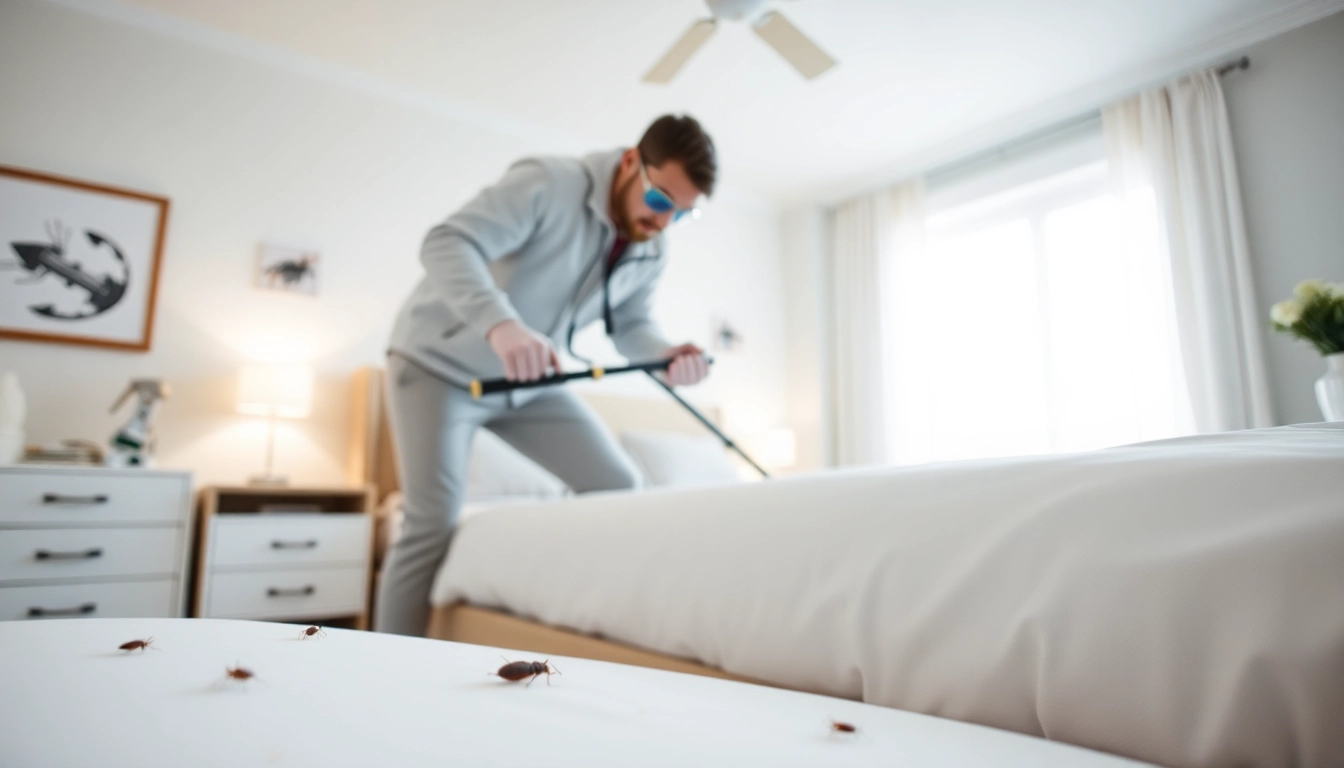
Understanding Bed Bugs and Their Behavior
What Are Bed Bugs?
Bed bugs are small, nocturnal insects belonging to the Cimex family. They are oval-shaped, wingless, and visible to the naked eye, with adults growing to about 4 to 5 millimeters in length. Their color ranges from reddish-brown to brownish-yellow, depending on their feeding status. Bed bugs are notorious for their role as blood-feeding parasites, primarily preying on humans and other warm-blooded animals. Their flattened bodies allow them to hide easily in crevices, cracks, and other shelters, making them formidable pests.
How Do Bed Bugs Spread?
Bed bugs are expert hitchhikers, adept at spreading from one location to another in various ways. They can latch onto clothing, luggage, and furniture, enabling them to move from infested homes to new, previously uncontaminated areas. They are also highly effective at breeding and can reproduce rapidly; a single female can lay hundreds of eggs in her lifetime. This capability, combined with their ability to hide in small spaces, exacerbates the challenges in controlling a bed bug infestation.
Identifying Bed Bug Infestations
Identifying a bed bug infestation early is crucial for effective control. Typical signs of bed bug presence include:
- Red itchy bites on the skin, often appearing in clusters or lines.
- Rusty or reddish stains on bed linens, mattress seams, and walls, indicative of blood spots.
- Dark fecal spots on sheets, walls, or bed frames.
- Visible shed skins or eggs, often found in hiding spots.
If you notice any of these signs, it’s important to act quickly and consider bed bug extermination services to prevent a more severe infestation.
The Importance of Professional Bed Bug Extermination Services
Why Choose Expert Services?
Choosing professional bed bug extermination services is crucial for several reasons. First, experienced exterminators possess the training and expertise required to effectively identify and treat infestations. Additionally, they utilize methods that are often safer and more effective than DIY options, reducing the risk of further damage or spreading the infestation. Comprehensive treatment plans may include inspecting the premises, identifying problem areas, and applying appropriate solutions to eliminate bed bugs effectively.
Health Risks Associated With Bed Bugs
Beyond the discomfort of bites, bed bugs carry health risks that should not be underestimated. While they are not known to transmit diseases, their bites can lead to severe allergic reactions, secondary infections, and elevated anxiety levels. Sleep disturbances resulting from bed bug infestations further contribute to mental and physical fatigue. Moreover, stress associated with ongoing infestations may lead to significant emotional distress, emphasizing the importance of timely and effective extermination.
Benefits of Professional Intervention
Engaging professionals offers several advantages, including:
- Thorough Inspection: Experts can identify hidden infestations that may not be visible to the untrained eye.
- Customized Treatment Plans: Professionals tailor treatments to the specific needs of each home or facility, ensuring effective resolution of the infestation.
- Advanced Technologies: The use of the latest methods and technologies, including heat treatments and residual sprays, ensures a comprehensive approach to bed bug control.
Investing in professional extermination reduces the likelihood of future infestations and enhances overall peace of mind.
Types of Bed Bug Extermination Services Available
Heat Treatment for Bed Bugs
Heat treatment is one of the most effective methods for eradicating bed bugs. This approach involves raising the temperature of infested areas to a level lethal for bed bugs at all life stages—from eggs to adults. Temperatures around 120°F (49°C) can effectively kill them within minutes. Heat treatments bypass the need for chemicals, making them a more environmentally friendly option. However, it’s essential to ensure thorough coverage to avoid any surviving populations.
Chemical Treatments Explained
Chemical treatments may involve the use of insecticides, fumigants, or residual sprays. These products span various classes and modes of action, catering to diverse situations. Licensed professionals can effectively choose and apply these chemicals, ensuring they are safe for use around humans and pets while still lethal to bed bugs. Regular monitoring follows chemical treatments to assess effectiveness and apply follow-ups, if necessary.
Integrated Pest Management Approaches
Integrated Pest Management (IPM) focuses on preventing bed bug infestations through a holistic approach. It combines the use of physical, biological, and chemical methods tailored to each situation. IPM practices may include thorough inspections, proactive monitoring, sanitation measures, and educating homeowners on preventive strategies. The effectiveness of IPM is evident in its capacity to reduce reliance on chemical treatments and foster long-term solutions.
Steps to Prepare for Bed Bug Extermination Services
Pre-Extermination Checklist
Before professionals arrive for a bed bug extermination service, homeowners should follow a pre-extermination checklist, including:
- Removing clutter and personal items from the site.
- Sealing clothing and linens in plastic bags to prevent cross-contamination.
- Vacuuming all floors, furniture, and bedding, and disposing of the vacuum bag immediately.
- Informing exterminators of any prior treatments or sightings of bed bugs.
What to Expect During the Process
During the extermination process, expect the professionals to conduct a thorough inspection of all areas where bed bugs are common. This includes bedding, furniture, carpeting, and any small crevices. After assessment, the exterminators will discuss the treatment plan, detailing the methods and steps taken to eliminate the infestation. Homeowners may need to vacate the premises temporarily, depending on the methods employed.
Post-Extermination Care
After treatment, staying vigilant is vital to avoid future infestations. Following the eradication, keep the living area clean and clutter-free. Regularly monitor for signs of bed bugs and conduct routine inspections. It’s advisable to continue vacuuming regularly and to keep items off the floor to reduce risks. If any signs of bed bugs reappear, contacting exterminators immediately is crucial.
Frequently Asked Questions About Bed Bug Extermination Services
How Long Does Treatment Take?
The duration of bed bug treatment can vary significantly based on the severity of the infestation and the methods used. Typically, treatments range from a few hours to several days, including follow-up visits.
Are the Chemicals Used Safe for My Family?
Yes, when handled by professionals, the chemicals used in bed bug extermination are regulated for safety. Exterminators will ensure that any products are applied correctly and safely for your environment.
What Are the Signs of a Successful Extermination?
The signs of successful extermination include the lack of new bites, no visible bed bugs or their signs, and no resurgence of fecal spots or blood stains. Follow-up inspections can confirm effectiveness.
How Can I Prevent Future Infestations?
Prevention strategies include regular inspections, maintaining cleanliness, reducing clutter, and sealing potential hiding spots. Travel precautions such as inspecting hotel rooms can also be beneficial.
How Do I Choose the Right Extermination Service?
Selecting the right extermination service involves researching their credentials, reading reviews, and ensuring they offer comprehensive treatment options. Verifying their certifications can also assure you of their expertise.