
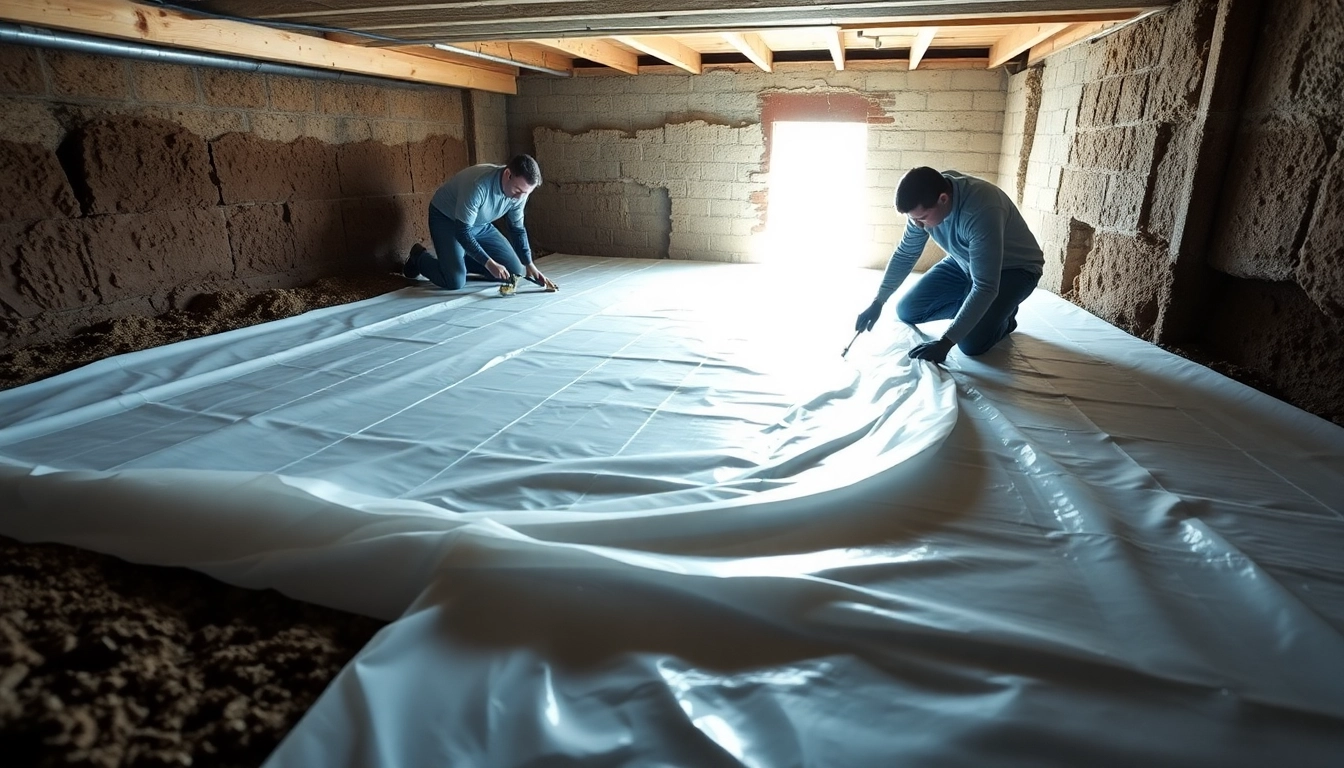
The Importance of Vapor Barrier Installation
Understanding Moisture Control
Moisture control is a critical aspect of maintaining a healthy and structurally sound environment in your home. In areas like crawl spaces and basements, excessive moisture can lead to a myriad of problems, including mold and mildew growth, wood rot, and structural damage. Implementing effective moisture control measures is not just an option; it’s a necessity for homeowners. Among these measures, Vapor Barrier Installation stands out as one of the most effective solutions.
Benefits of Vapor Barriers
Vapor barriers serve a fundamental role in protecting your home’s integrity. The benefits they provide include:
- Mildew and Mold Prevention: A proper vapor barrier inhibits moisture migration, significantly reducing the conditions favorable for mold growth.
- Energy Efficiency: By keeping moist air at bay, vapor barriers help improve your home’s energy efficiency, leading to better insulation and lower heating and cooling costs.
- Structural Integrity: Moisture can weaken structural components over time. Installation of a vapor barrier protects wooden beams and foundation walls from damage.
- Improved Indoor Air Quality: By minimizing mold and allergens, vapor barriers contribute to better indoor air quality, promoting a healthier living environment.
Identifying Areas Needing Installation
Identifying areas in your home that may require vapor barrier installation is crucial. Typically, you should consider installing a vapor barrier in:
- Crawl spaces where ground moisture can seep in through the soil.
- Basements exposed to high humidity or standing water.
- Areas beneath concrete slabs that may experience moisture challenges.
Regular inspections for moisture signs, like dampness or discoloration on walls, are essential in determining the need for a vapor barrier.
Choosing the Right Vapor Barrier Materials
Types of Vapor Barriers
The effectiveness of your vapor barrier hinges significantly on the materials used. Common types include:
- Polyethylene Sheeting: Widely used due to its affordability and effectiveness in moisture resistance. It comes in various thicknesses, with thicker options often offering better durability.
- Reinforced Foil Barriers: These offer superior moisture resistance and can be particularly useful in areas with extreme moisture issues.
- Spray-on Barriers: Innovative spray solutions provide a seamless application, making them ideal for uneven surfaces.
Material Durability and Cost
When selecting vapor barrier materials, consider both durability and cost. Polyethylene sheeting is inexpensive but may need replacement in high wear areas. Reinforced foil barriers, while pricier, offer longer-lasting protection and can be more resilient against damage.
Investing in higher-quality materials can save costs over time by reducing replacement frequency and maintaining home integrity.
Environmental Factors Influencing Choice
Climate and environmental conditions play a significant role in your vapor barrier material selection. In regions with high humidity, a more robust, moisture-resistant barrier is pivotal. Conversely, drier climates may allow for more basic polyethylene products. Additionally, local building codes and regulations should be reviewed, as they may impose specific requirements.
Steps for Vapor Barrier Installation
Preparation of the Installation Area
The first step in successful vapor barrier installation is proper preparation:
- Clear the Area: Remove debris, plants, and other items from the installation site.
- Level the Ground: Ensure the ground is level and free from sharp objects that could damage the barrier.
- Inspect for Existing Moisture Problems: Address any drainage issues or existing water damage before proceeding.
Installation Techniques and Best Practices
When it comes to installation:
- Measure the Area: Carefully measure the dimensions of the space to ensure you purchase enough material.
- Overlap the Barrier: When laying down the polyethylene sheeting, overlap pieces by at least 12 inches to ensure optimal moisture resistance.
- Seal the Seams: Use waterproof tape to seal all seams securely.
Proper Sealing and Maintenance
A well-installed vapor barrier requires ongoing maintenance:
- Inspect Regularly: Periodically check for tears or damage, especially after significant weather events.
- Maintain Dry Conditions: Remove any standing water or debris from the barrier area promptly.
Common Challenges in Vapor Barrier Installation
Dealing with Uneven Surfaces
Uneven surfaces present a challenge for effective vapor barrier installation. To combat this, you can:
- Use a heavier-grade barrier that can better conform to surface irregularities.
- Consider leveling the ground using appropriate fill materials before installation.
Addressing Air Flow Issues
In areas prone to air flow issues, it’s vital to seal off any vents or openings that could allow moisture-laden air to enter. This can be achieved by:
- Utilizing insulation around the perimeter of the installation site.
- Sealing gaps with appropriate materials to eliminate airflow.
Overcoming Moisture Problems
For existing moisture problems, consider implementing additional measures such as:
- Using a sump pump to manage water accumulation.
- Installing a drainage system if water ingress is frequent.
FAQ about Vapor Barrier Installation
What is a vapor barrier?
A vapor barrier is a material used to prevent moisture from penetrating an area, essential for crawl spaces and basements.
How do I know if I need a vapor barrier?
If your basement or crawl space has high humidity or water accumulation, a vapor barrier is recommended to control moisture.
Can I install a vapor barrier myself?
Yes, if you have basic DIY skills, vapor barrier installation can be a manageable project with the right tools and guidance.
What materials are best for vapor barriers?
Common options include polyethylene sheeting and reinforced foil barriers that effectively resist moisture.
How often should I check my vapor barrier?
It’s advisable to inspect your vapor barrier regularly, especially after heavy rainfall or seasonal changes, for any signs of wear.